
Furnace Pros Pennsylvania logo Furnace Pros Pennsylvania
Get Estimate

High-Efficiency Furnace Repair in Pennsylvania Done Right the First Time

Certified techs, same-day service, and honest pricing across the Keystone State


When your high-efficiency furnace quits in a Pennsylvania January, you need it fixed today, not next week. Our NATE-certified technicians diagnose and repair Carrier, Trane, Lennox, and Goodman condensing systems across the state, from Philadelphia rowhomes to State College split-levels. We stock igniters, flame sensors, and inducer motors on every truck, so most repairs finish in one visit. Call (833) 586-3803 and we'll get your heat back on.

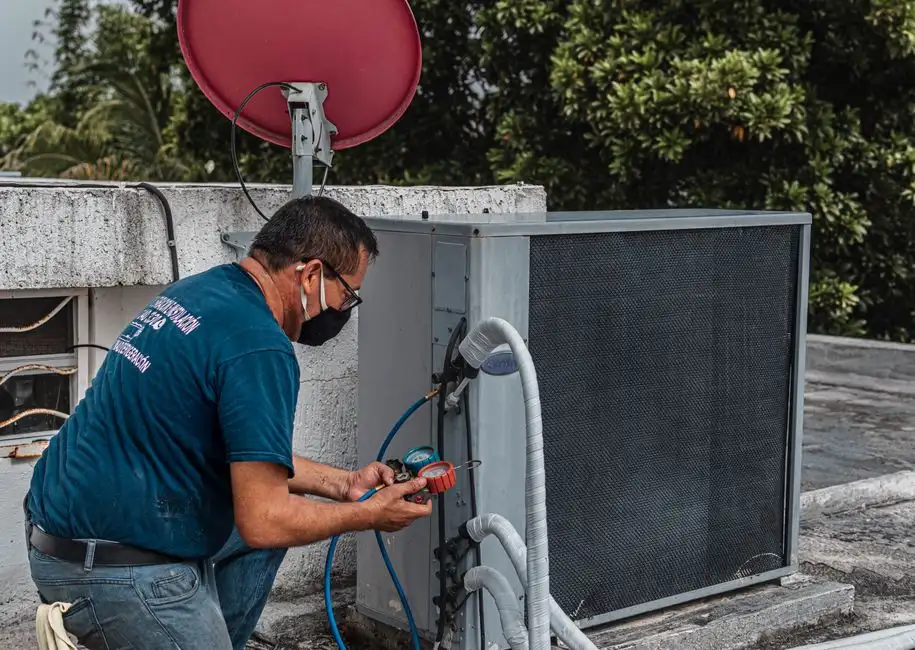
Technician repairing an air conditioner unit outdoors, wearing a facemask and using a manifold gauge.
Licensed Licensed & Bonded
Fully Insured Insured & Bonded
24/7 Emergency Same-Day Response
Warranty Backed Workmanship Guaranteed

What Our High-Efficiency Furnace Repair Includes

Every repair visit covers the full diagnostic sequence, the fix itself, and a safety verification before we leave. Here's what's included in the flat price, and what we'd quote separately if your system needs it.

Full Fault-Code Diagnosis

We pull stored codes from the control board and run the full sequence of operation. That means testing the igniter, flame sensor, pressure switch, inducer motor, gas valve, and limit switches with a multimeter and manifold gauge set. Diagnosis takes 45 to 75 minutes.
Component Repair or Replacement

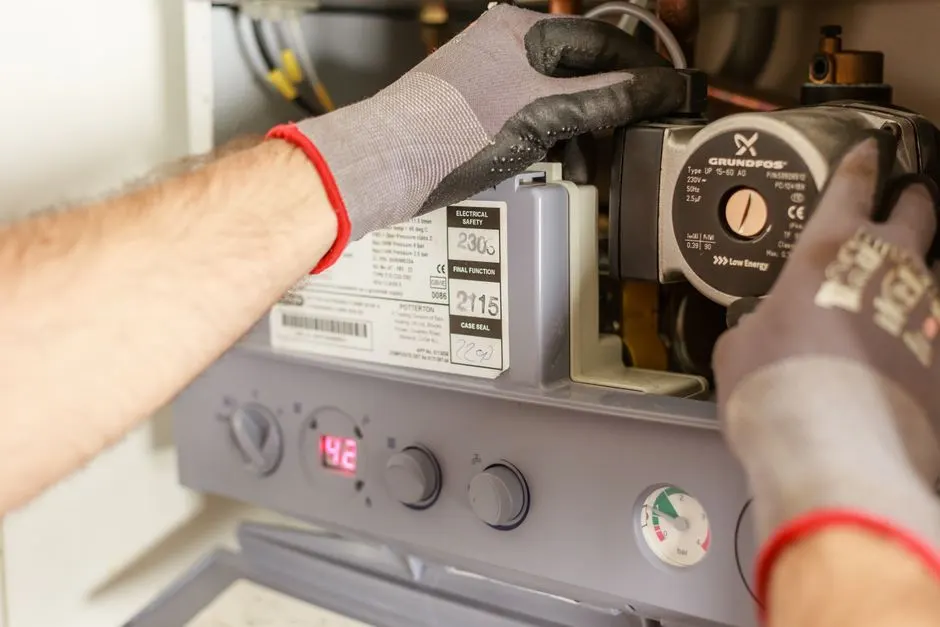
Once we identify the failure, we repair or replace the part. Igniters, flame sensors, thermocouples, gas valves, blower motors, inducer motors, circuit boards, and limit switches are all stocked on the truck. Most repairs finish in a single visit.

Heat Exchanger Inspection

Condensing furnaces have a secondary heat exchanger that corrodes from acidic condensate. We inspect it with an inspection camera on every visit. If we find cracks, we show you the footage and explain your repair versus replacement options with real numbers.

Combustion Analyzer Test

After the repair, we test flue gas with a combustion analyzer to confirm the furnace is burning clean. We check carbon monoxide levels in the supply air and verify temperature rise is within the manufacturer's spec, usually 35 to 65 degrees.

Gas Leak Check

Every gas joint gets a leak detector test before we close up. If we replaced a gas valve or any gas-side component, this step is non-negotiable. You get the results in writing along with the rest of the diagnostic readings.

What High-Efficiency Furnace Repair in Pennsylvania Covers


High-Efficiency Furnace Repair in Pennsylvania is the diagnostic and mechanical service that restores 90%+ AFUE condensing furnaces to safe, code-compliant operation. That means pulling fault codes, testing the igniter and flame sensor with a multimeter, checking the inducer motor and pressure switch, verifying gas valve operation with a manifold gauge set, and inspecting the secondary heat exchanger for cracks or corrosion. Condensing units run cooler exhaust and produce acidic condensate, so they fail differently than older 80% furnaces. We fix the actual cause, not just the symptom.

Pennsylvania winters push these systems hard. A furnace that short-cycles in West Chester at 15 degrees Fahrenheit may run fine at 40, which is why so many homeowners wait until it fails completely. If your high-efficiency furnace is not working, we troubleshoot ignition failure, dirty flame sensors, clogged air filters, blower motor failure, and thermostat malfunction on the first visit. We also handle emergency high-efficiency furnace repair Pennsylvania homeowners call in at 2 a.m. when the house drops below 60.

How Our High-Efficiency Furnace Repair Process Works

From the first phone call to the final combustion test, here's exactly what happens when you book high-efficiency furnace repair with us. No vague timelines, no guessing about what the tech is doing in your basement.

01

Schedule

Call or book online — a real human picks up and confirms a 2-hour arrival window.

02

Diagnose

Licensed tech inspects on-site, then walks you through the cause and your options.

03

Fix

The job is completed to code and done right the first time — no shortcuts, no surprises.

04

Guarantee

Every job backed by a written workmanship warranty — and we stand behind it.

Tools and Methods We Use on Every Repair

Tools & Equipment

Combustion Analyzer

Measures flue gas oxygen, carbon monoxide, and temperature to verify the furnace is burning clean after every repair. It's how we confirm a fix is actually safe, not just running.

Manifold Gauge Set

Checks gas inlet and manifold pressure against the manufacturer's spec. Wrong pressure causes incomplete combustion, sooty burners, and premature heat exchanger failure.

Multimeter and Clamp Meter

Tests igniter resistance, flame sensor microamps, blower motor amp draw, and control board voltage. This is how we pinpoint a failed component instead of guessing.

Inspection Camera

Lets us see inside the secondary heat exchanger and burner compartment without disassembling the whole furnace. Essential for confirming or ruling out a cracked heat exchanger.

Leak Detector

Sniffs every gas joint after a valve replacement or any gas-side repair. Non-negotiable on every job where we've opened the gas train.

Vacuum Pump and Tube Brush

Clears condensate lines, drain traps, and burner tubes. Condensing furnaces clog with acidic residue, and clearing it restores proper drainage and airflow.

Methods & Standards

ACCA Standards

We follow ACCA standards for airflow, temperature rise, and load calculation. On replacement decisions, an ACCA Manual J load calculation ensures the new furnace is sized for your actual house, not a rule of thumb.

NATE Certification

Every technician holds NATE certification, which means they've passed proctored exams on heating system diagnosis and repair. It's the industry benchmark, and it's why our diagnostic accuracy is high.

EPA Section 608 Compliance

Our techs hold EPA Section 608 credentials for refrigerant handling, which matters on hybrid and dual-fuel systems. It also signals the level of training we require across the board.

Manufacturer Certifications

We're factory-trained on Carrier, Trane, Lennox, Goodman, Rheem, York, Bryant, American Standard, Amana, and Coleman platforms. That means we know the specific fault codes and quirks of your equipment.

When to Call for High-Efficiency Furnace Repair

01

Your furnace quits on the coldest night of the year and the house is dropping fast.

What we do: Call (833) 586-3803 and tell the dispatcher your indoor temperature. We flag it as an emergency and dispatch the nearest tech. Most emergency calls get a truck on-site within a few hours, even at 2 a.m.

→ Heat restored the same night in most cases, with combustion testing done before the tech leaves. You're not waiting until Monday.

02

Your gas bill jumped 30% over last winter and the furnace runs constantly.

What we do: We run a full efficiency diagnostic: temperature rise, combustion readings, airflow check, and a look at the condensate system. A dirty flame sensor, clogged filter, or failing inducer motor can all tank efficiency without throwing a code.

→ You get a clear picture of what's dragging efficiency down and a repair price. Most homeowners see gas usage drop back toward normal after the fix.

03

Your furnace is 12 years old, needs a $900 repair, and you're weighing repair versus replacement.

What we do: We quote both options with real numbers: repair cost, expected remaining life, and replacement cost with current AFUE ratings. We run an ACCA Manual J load calculation if you're leaning toward replacement so the new unit is sized correctly.

→ You make the call with actual numbers in front of you, not a sales pitch. No pressure either way.

04

You're hearing grinding or squealing from the furnace and it's getting louder.

What we do: Noise usually means a failing blower motor bearing or a debris-struck inducer wheel. We pull the blower assembly, inspect it, and either replace the motor or clear the obstruction. Catching it early saves the motor.

→ Quiet operation restored, and you avoid a mid-winter motor failure that would leave you without heat for days waiting on a part.

How High-Efficiency Furnace Repair Runs in Pennsylvania

Pennsylvania's climate is hard on condensing furnaces. Winters swing from 40-degree thaws to single-digit cold snaps within days, and that freeze-thaw cycle stresses igniters, pressure switches, and condensate systems. Older housing stock in places like Coatesville and Marietta often has retrofitted high-efficiency units vented through existing chimneys, which can cause condensate backup if the liner isn't sized right. Newer construction in Manheim and Lititz usually has PVC sidewall venting, which freezes at the termination point during cold snaps. We see both patterns constantly. Our techs also deal with Pennsylvania code requirements around gas piping and venting, and we pull permits when the job calls for it. If you're searching for high efficiency furnace troubleshooting Pennsylvania wide, we've likely worked on your exact furnace model and neighborhood before.

Neighborhoods We Serve

  • West Chester Borough

    Lots of 1920s rowhomes with retrofitted condensing furnaces. Tight basements mean venting and condensate routing need careful planning, and we see a lot of frozen sidewall terminations here.

  • Lititz

    Mix of older farmhouses and 1990s subdivisions. The older homes often have oversized furnaces that short-cycle, while the newer builds deal with PVC vent freezing at the exterior wall.

  • State College

    Coldest part of our service area. Furnaces here run harder and longer, so blower motors and inducer motors wear out faster. We stock extra parts for this region.

  • Elkins Park

    Historic homes with limited mechanical space. High-efficiency furnace retrofits here often need custom venting and condensate pump setups to work within the original footprint.

Local Conditions We Plan For

  • Freeze-thaw cycles from December through March

    Condensate lines and sidewall vent terminations freeze, causing pressure switch faults and no-heat calls. We clear the blockage and often recommend a vent termination guard to prevent repeat failures.

  • Older housing stock with retrofitted high-efficiency systems

    Chimney venting that wasn't designed for condensing furnaces can cause acidic condensate damage. We inspect the vent path on every repair and flag issues before they become structural problems.

  • Wide temperature swings within a single week

    Furnaces cycle between low and high fire frequently, which stresses igniters and flame sensors. We see more ignition-related failures here than in milder climates.

No-Heat Call in West Chester Rowhome

Before

A 2008 Carrier condensing furnace stopped firing on a 12-degree January night. The homeowner had no heat for six hours and the house was at 54 degrees. The control board showed a 3-3 fault code, indicating ignition lockout.

After

We replaced the failed igniter and cleaned a heavily carboned flame sensor. Combustion analyzer readings came back within spec, temperature rise hit 48 degrees, and heat was restored in under two hours. Total cost: $265.

Maintenance: We recommended a fall tune-up to clean the flame sensor before the heating season. A $40 sensor cleaning prevents a $265 emergency call and a cold night.

Before

A Trane XV80 was short-cycling every four minutes, and the homeowner's gas bill had climbed 28% over the previous winter. Two prior companies had recommended full replacement at $6,800.

After

We found a clogged condensate trap and a failing pressure switch. Clearing the trap and replacing the switch cost $385 total. The furnace ran steady cycles for 45 minutes straight during our test, and the homeowner reported normal gas usage the following month.

Maintenance: We set them up on annual maintenance that includes condensate trap cleaning. It's a 15-minute step that prevents the exact failure they just paid to fix.

Before

A Lennox EL296V lost its blower motor at 11 p.m. on a 5-degree night. The house was at 58 degrees and dropping. The homeowner had a newborn and called our emergency line.

After

Our tech arrived at 1:15 a.m. with a matching blower motor on the truck. Replacement took 2.5 hours, and the furnace was running by 3:45 a.m. Temperature rise tested at 52 degrees, within spec. Total emergency cost: $720.

Maintenance: We recommended a spring tune-up to check blower amp draw and bearing wear. Catching a failing motor early turns a 2 a.m. emergency into a scheduled afternoon repair.

Common High-Efficiency Furnace Problems We Fix

Condensing furnaces fail in predictable ways, and we've seen all of them. Here are the issues Pennsylvania homeowners call us about most, and what happens if you let them ride.

Problem

Furnace not heating or blowing cold air

The house drops below 60 degrees within hours. Pipes in exterior walls can freeze overnight, and the repair cost climbs once secondary damage starts.

Our Fix

We diagnose the ignition sequence, test the flame sensor and igniter, and check the gas valve. Most no-heat calls trace back to a dirty flame sensor or failed igniter, both of which we stock and replace the same visit.

Problem

Furnace short-cycling on and off

Short cycling wears out the blower motor and inducer motor faster, drives up gas bills, and usually signals a clogged filter, stuck pressure switch, or failing limit switch.

Our Fix

We check airflow first, then test the pressure switch and limit switches with a multimeter. On condensing units, a clogged condensate trap is a frequent culprit. We clear it, verify the fix, and confirm steady run cycles.

Problem

Pilot light won't stay lit or ignition failure

No ignition means no heat. Repeated failed ignition cycles can flood the burner compartment with gas, which is a safety issue, not just a comfort one.

Our Fix

We test the igniter resistance, clean or replace the flame sensor, and check the thermocouple on standing-pilot systems. If the gas valve is failing, we replace it and leak-test every joint before restarting the furnace.

Problem

Cracked heat exchanger or carbon monoxide concern

A cracked heat exchanger can leak carbon monoxide into your supply air. This is the one furnace problem you never wait on. If your CO alarm goes off, leave the house and call from outside.

Our Fix

We inspect the heat exchanger with an inspection camera and run a combustion analyzer test. If it's cracked, we show you the footage and walk through repair versus replacement. We never leave a CO concern unresolved.

Why Pennsylvania Homeowners Choose Our Furnace Repair

Why Pennsylvania Homeowners Choose Our Furnace Repair

We've repaired thousands of condensing furnaces across the state, and the pattern is always the same: homeowners want it fixed fast, fixed right, and priced honestly. Here's what that looks like when you call us.

  • Same-Day Repairs Statewide

    Most high-efficiency furnace service Pennsylvania calls get scheduled the same day, and emergency calls get priority dispatch. Our techs carry igniters, flame sensors, thermocouples, and universal circuit boards on the truck, so roughly 8 out of 10 repairs finish in a single visit without a parts run.

  • Certified, Code-Correct Work

    Every technician holds NATE certification and EPA Section 608 handling credentials, and we pull permits when the job requires it. We follow ACCA standards and manufacturer certifications for Carrier, Trane, Lennox, Rheem, York, Bryant, American Standard, Amana, and Coleman equipment, so your warranty stays intact.

  • Upfront Pricing, No Surprises

    You get a flat diagnostic fee and a written repair price before we touch a wrench. Typical energy efficient furnace repair Pennsylvania jobs run $180 to $650 depending on the failed component. No hourly creep, no mystery line items, no pressure to replace a furnace you can still repair.

  • Heat Back On, Verified Safe

    We don't just swap a part and leave. Every repair ends with a combustion analyzer test on the flue gas, a carbon monoxide check, and a 20-minute run cycle to confirm steady operation. You get the readings in writing so you know the heat exchanger and venting are sound.

High-Efficiency Furnace Repair Cost in Pennsylvania

Typical 2026 pricing for high-efficiency furnace repair in Pennsylvania runs $180 to $650, depending on the failed component and how long the job takes. The diagnostic fee is flat and gets credited toward the repair if you approve the work. We quote the full price before we start, so there's no hourly creep. Emergency and after-hours calls carry a higher rate, but you'll know it upfront. If repair costs approach half the price of a new furnace, we'll tell you honestly and quote both options.

Typical Investment Range

$180 - $650 for most repairs; $720+ for emergency after-hours calls

A $300 repair that buys you three more years on a functioning furnace beats a $6,000 replacement every time. We only recommend replacement when the numbers actually favor it, and we'll show you the math.

What changes the price

01

Failed Component

An igniter or flame sensor runs $180 to $320 installed. Blower motors, inducer motors, and control boards push $400 to $650. Heat exchanger repairs cost more because of labor and parts availability.

02

System Age and Brand

Parts for Carrier, Trane, and Lennox systems are widely available. Older or discontinued models may need special-order components, which adds a day or two and sometimes $50 to $150 to the price.

03

Emergency vs. Scheduled

After-hours, weekend, and holiday calls carry a higher dispatch rate. Scheduled weekday repairs are the most economical. If you can wait until morning, you'll save on the call-out fee.

04

Access and Location

A furnace in a tight closet or crawlspace takes longer to work on than one in an open basement. Difficult access adds labor time, usually 30 to 60 minutes, which affects the final price.

05

Repair vs. Replace Decision

If the heat exchanger is cracked or the control board is obsolete, replacement may be the smarter spend. We quote both paths with real numbers so you can compare total cost over the next five years.

Licensed, Certified, and Accountable

Licensed & Certified

  • NATE Certification — issued by North American Technician Excellence
  • EPA Section 608 — issued by U.S. Environmental Protection Agency
  • Pennsylvania HVAC License — issued by Pennsylvania Office of Attorney General
  • OSHA Safety Compliance — issued by Occupational Safety and Health Administration
  • ACCA Standards Compliance — issued by Air Conditioning Contractors of America

Verified Reviews

Google ★★★★★4.9

Called about a no-heat situation on a Sunday. Tech arrived within three hours, diagnosed a failed inducer motor, and had it replaced by dinner. Fair price, clean work, and he explained everything before starting. Would call again without hesitation.

Yelp ★★★★★4.8

Our high-efficiency furnace was throwing a pressure switch code. These guys cleared a clogged condensate trap and tested everything with a combustion analyzer before leaving. $310 total. Two other companies wanted to sell us a new furnace.

BBB ★★★★★4.9

Professional from the first phone call. Upfront pricing, showed up in the window they promised, and the tech walked me through the diagnostic readings. Replaced a flame sensor and cleaned the burners. Furnace has run perfectly since.

Furnace Repair Expertise You Can Verify

Our technicians work on condensing furnaces every day, not once a month. That daily repetition matters when a Carrier Infinity board throws a 3-3 code or a Trane XV80 pressure switch won't close. We train on manufacturer platforms, hold NATE certification, and follow ACCA standards on every job. We've diagnosed ignition failures, cracked heat exchangers, failed blower motors, and gas valve faults in rowhomes, farmhouses, and new construction across Pennsylvania. When we say we've seen it before, we mean it.

  • NATE-certified technicians with EPA Section 608 credentials on every truck
  • Factory-trained on Carrier, Trane, Lennox, Goodman, Rheem, York, Bryant, American Standard, Amana, and Coleman systems
  • Combustion analyzer testing standard on every repair, not an add-on
  • ACCA Manual J load calculation available for replacement decisions
  • OSHA safety compliance and full Pennsylvania HVAC license coverage
Get Started Today
Furnace Repair Expertise You Can Verify

Cities We Serve for High-Efficiency Furnace Repair

We deliver high efficiency furnace service Pennsylvania homeowners can count on, from the Philadelphia suburbs through Central PA and into the western part of the state. Our crews are regional, so you get a local tech who knows your housing stock and your weather patterns. Here are a few of the communities we serve regularly.

West Chester

Borough rowhomes and older twins with retrofitted condensing furnaces. We handle venting issues and tight-basement installs, and we stock the igniters and flame sensors these systems burn through.

Carlisle

Mix of historic downtown homes and newer construction. We see a lot of short-cycling from oversized furnaces here, and we fix it with airflow correction and proper temperature-rise calibration.

Campbelltown

Small-town housing stock with a lot of 1990s builds. Condensate trap clogs and pressure switch failures are our most common calls here during cold snaps.

Lititz

Farmhouses and subdivisions side by side. Older homes often need venting corrections, while newer builds deal with PVC sidewall terminations freezing in January.

Emigsville

Residential community north of York with a mix of gas and electric furnaces. We handle both, and we keep universal circuit boards on the truck for older systems.

Manheim

Growing area with newer high-efficiency installs. We service Carrier, Trane, and Lennox systems here and handle warranty-compliant repairs that keep coverage intact.

Coatesville

Older housing stock with plenty of retrofitted furnaces. Chimney venting issues and condensate damage are common, and we inspect the vent path on every repair visit.

Marietta

River town with historic homes. Tight mechanical spaces make blower motor and inducer motor replacements more involved, but we've done enough of them here to know the workarounds.

Narvon

Rural Lancaster County community. Longer drive times don't change our response window. We schedule regional routes so Narvon calls get the same same-day service as city calls.

Jonestown

Small borough with a mix of older and newer homes. We handle ignition failures, dirty flame sensors, and blower motor replacements regularly in this area.

Elkins Park

Historic suburban homes with limited mechanical space. High-efficiency retrofits here need custom venting and condensate pump setups, and we've done plenty of them.

Fort Washington

Larger homes with zoned systems and dual-fuel setups. We diagnose zone board faults, blower issues, and gas valve problems on complex systems here.

Morgantown

Berks County community with rural and suburban properties. We service both propane and natural gas high-efficiency furnaces here and stock the right orifices for each.

Nottingham

Chester County area with a mix of older farmhouses and newer builds. We handle heat exchanger inspections and combustion testing on every repair call here.

Wrightsville

Susquehanna river town with older housing stock. We see a lot of undersized venting and condensate issues, and we correct both as part of the repair.

Frequently Asked Questions About High-Efficiency Furnace Repair

Real answers to the questions we hear most often from local homeowners and property managers.

How much does high efficiency furnace repair cost in Pennsylvania?
Most repairs run $180 to $650 in 2026, including the diagnostic fee. Igniter and flame sensor replacements sit at the low end, around $180 to $320. Blower motors, inducer motors, and control boards push $400 to $650. Heat exchanger repairs cost more because of labor. You get a flat written price before we start, so the number doesn't move.
Why is my high efficiency furnace not working in Pennsylvania?
The five most common causes we find are a dirty flame sensor, a failed igniter, a clogged air filter choking airflow, a stuck pressure switch from condensate buildup, and a bad thermostat. Condensing furnaces also fail when the condensate drain trap freezes or clogs. A multimeter and fault-code read pinpoints which one in under an hour.
Who repairs high efficiency furnaces in Pennsylvania?
We do, statewide. Our NATE-certified techs repair Carrier, Trane, Lennox, Goodman, Rheem, York, Bryant, American Standard, Amana, and Coleman condensing furnaces across Pennsylvania. Every repair includes combustion analyzer testing and a carbon monoxide check before we leave. Call (833) 586-3803 to book a same-day visit.
Can I get emergency high efficiency furnace repair in Pennsylvania?
Yes. We run 24/7 emergency dispatch across the state. If your house is below 62 degrees, you smell gas, or the furnace is blowing cold air in a January cold snap, call (833) 586-3803 and we'll prioritize you. Most emergency calls get a tech on-site within a few hours, depending on your region.

Related Furnace Services We Offer

Furnace Repair

General furnace repair covers 80% and 90%+ systems alike. If your unit turns out to be a standard efficiency model, we still fix it. Same diagnostic process, same upfront pricing, same combustion testing at the end.

View Furnace Repair

Emergency Furnace Repair

When your high-efficiency furnace dies at midnight in a Pennsylvania cold snap, our 24/7 emergency line dispatches the nearest tech. We prioritize no-heat calls, gas smells, and carbon monoxide alarms above all other work.

View Emergency Furnace Repair

Furnace Installation

If your condensing furnace is beyond repair, we install new high-efficiency units sized with an ACCA Manual J load calculation. Proper sizing matters more on 90%+ systems because oversized units short-cycle and waste the efficiency you paid for.

View Furnace Installation

Furnace Replacement

Replacement makes sense when repair costs exceed half the price of a new unit or the heat exchanger is cracked. We walk you through AFUE ratings, rebate options, and venting requirements for condensing furnaces before you commit to anything.

View Furnace Replacement

Furnace Maintenance

Annual maintenance keeps your high-efficiency furnace running at its rated AFUE. We clean the flame sensor, check the condensate trap, test the inducer motor, and verify temperature rise. Skipping it is the number one reason condensing furnaces fail early.

View Furnace Maintenance

Furnace Tune-Up

A tune-up is the lighter version of maintenance: filter change, burner cleaning, flame sensor wipe-down, and a combustion analyzer check. Book it in early fall before the first cold snap, when schedules fill up fast across Pennsylvania.

View Furnace Tune-Up

Get High-Efficiency Furnace Repair in Pennsylvania Today

No heat is not something to sleep on. Call (833) 586-3803 and we'll dispatch a NATE-certified tech to your door, usually the same day. Upfront pricing, stocked trucks, and combustion testing on every repair.

Call (833) 586-3803 Book a Repair

Contact Furnace Pros Pennsylvania

Call (833) 586-3803 any time, day or night, and a live dispatcher will get a tech headed your way. We run 24/7 emergency service across Pennsylvania and book standard appointments Monday through Friday, 8 a.m. to 6 p.m. Prefer email? Send your address and symptoms to info@furnaceprospennsylvania.com and we will call you back with an ETA.

Furnace Pros Pennsylvania


  • Address

    Pennsylvania

  • Hours

    Mon–Fri: 7AM – 7PM
    Sat: 8AM – 4PM
    Sun: Emergency Only
    24/7 Emergency Available

Call (833) 586-3803 Get Quote
Call Quote