Furnace Pros Pennsylvania logo Furnace Pros Pennsylvania
Get Estimate

Furnace Cleaning in Pennsylvania Done Right the First Time

Licensed techs, same-day slots, and honest pricing across the state


Furnace Cleaning in Pennsylvania means pulling the blower, brushing the heat exchanger, and clearing every vent run so your system stops short-cycling and starts heating evenly. We serve homeowners from Levittown to Stroudsburg, whether you're in a 1920s Lancaster rowhouse or a newer build in Horsham. If your filter is gray, your registers smell dusty, or your gas bill jumped last winter, book a visit before the January cold snap hits.

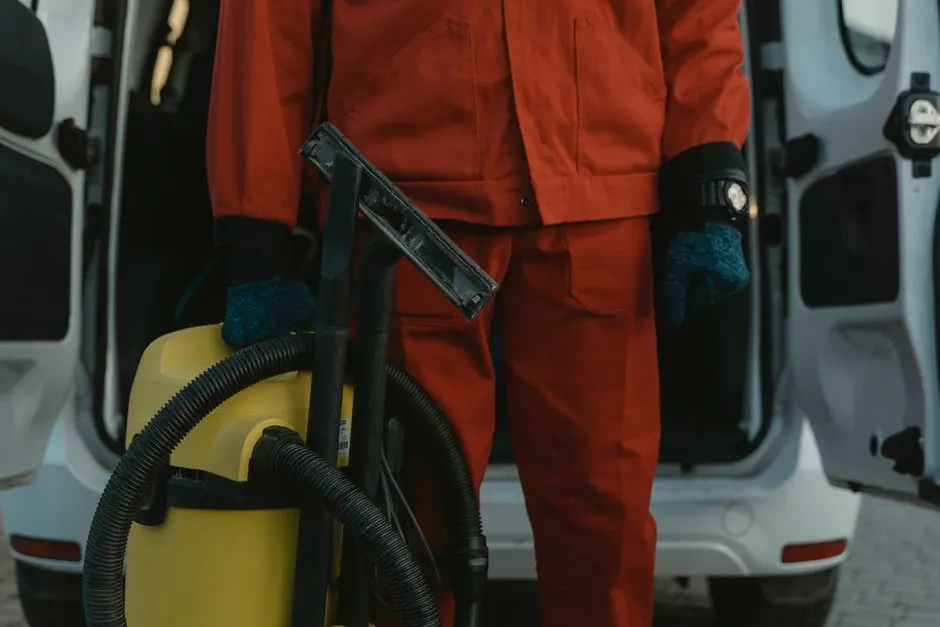
A professional cleaner in a red uniform holding a vacuum near a van, ready for service.
Licensed Licensed & Bonded
Fully Insured Insured & Bonded
24/7 Emergency Same-Day Response
Warranty Backed Workmanship Guaranteed

What's Included in a Standard Furnace Cleaning

Every visit covers the full mechanical clean and a written inspection report. Repairs found during the cleaning are quoted separately so you can approve them before we touch anything. Add-ons like full duct cleaning or a tune-up can be bundled at a lower rate than booking them alone.

Burner and Chamber Cleaning

Burners come out, get brushed, and get blown clean with compressed air. The burn chamber is vacuumed and wiped. Carbon buildup on burners causes uneven flames and higher CO output, so this step is not optional on a gas furnace.
Blower Wheel and Motor Service

The blower assembly is removed, the wheel is washed and brushed, and the motor is checked for bearing play and amp draw. A dirty wheel throws the assembly out of balance, which is the leading cause of premature blower motor failure in Pennsylvania homes.

Heat Exchanger Inspection

We run an inspection camera through the primary and secondary exchanger on every visit. Cracks, corrosion, and pinholes get photographed and documented. A cracked exchanger is a CO risk and usually means replacement, not repair.

Duct and Register Cleaning

Negative-air vacuum on the trunk line, whip-line agitation on each branch, and register pulls on supply and return. This is where most of the dust reservoir sits, and it is the step that makes the biggest difference for allergy sufferers.

Combustion Analysis and Report

A combustion analyzer checks flue temperature, CO, and oxygen on every gas furnace. We verify temperature rise against the data plate and hand you a written report with photos and readings. That record matters for warranty claims and resale.

What Furnace Cleaning in Pennsylvania Actually Involves


Furnace Cleaning in Pennsylvania is a full mechanical and airflow service that removes soot, dust, and debris from the burn chamber, blower assembly, heat exchanger, and duct runs so the system can move heat the way it was engineered to. Our techs pull the blower motor, vacuum the secondary heat exchanger with a HEPA rig, brush the burners, and check the flame sensor and igniter while everything is apart. It is not a wipe-down. It is a tune-up with a deep clean baked in.

Pennsylvania homes deal with a specific mix: humid summers that leave dust caked on blower wheels, then six months of heavy runtime that bakes that dust into the fins. In older Philadelphia and Pittsburgh housing stock, return ducts were often sized for coal furnaces and never updated, so airflow is already marginal. A Pennsylvania furnace cleaning clears that restriction before it turns into a cracked heat exchanger or a blower motor failure in February.

Our Furnace Cleaning Process, Step by Step

Every visit follows the same five-stage sequence. You get a call when we're 30 minutes out, a walkthrough before we start, and a written summary of what we found and cleaned before we pack up.

01

Schedule

Call or book online — a real human picks up and confirms a 2-hour arrival window.

02

Diagnose

Licensed tech inspects on-site, then walks you through the cause and your options.

03

Fix

The job is completed to code and done right the first time — no shortcuts, no surprises.

04

Guarantee

Every job backed by a written workmanship warranty — and we stand behind it.

Tools and Methods We Use on Every Visit

Tools & Equipment

Manifold gauge set

Checks gas inlet and manifold pressure against the data plate so the burners run at the correct rate after cleaning.

Combustion analyzer

Measures flue temperature, CO, and oxygen on every gas furnace. Confirms the exchanger and burners are working safely after reassembly.

Inspection camera

Slides through the primary and secondary heat exchanger to look for cracks, corrosion, and pinholes that are invisible from the outside.

Clamp meter and multimeter

Checks blower motor amp draw, flame sensor microamps, and igniter resistance. Catches failing parts before they strand you in January.

HEPA vacuum rig

Pulls dust and debris out of the cabinet and duct runs without blowing it back into the living space.

Tube brush and fin comb

Brushes burner tubes and straightens bent fins on the exchanger and coil so airflow stays even across the surface.

Leak detector

Sniffs every gas connection after reassembly. Non-negotiable on any gas furnace job.

Methods & Standards

ACCA standards for airflow verification

We measure static pressure and temperature rise against ACCA guidance so the system is confirmed to move the CFM it was designed for, not just cleaned and left to guess.

Manual J load calculation on replacement quotes

When cleaning turns up a furnace that needs replacing, we size the new unit with a Manual J load calculation instead of matching the old nameplate. Oversized furnaces short-cycle and wear out faster.

EPA Section 608 handling procedures

Combustion-side and refrigerant work follows EPA Section 608 rules. Every tech on a furnace job holds the certification, and we document the work in the written report.

NATE-certified diagnostic sequence

We follow the NATE diagnostic order: airflow first, then ignition, then combustion. Cleaning is always step one because a dirty system throws off every reading downstream.

When to Schedule Furnace Cleaning

01

You moved into a Pennsylvania home and have no service records for the furnace

What we do: We do a full clean and inspection so you know exactly what you own. We document the model, serial, filter size, and heat exchanger condition, and give you a baseline report for future visits.

→ You start the heating season with a known-good furnace and a written record that protects your warranty and helps at resale.

02

Your winter gas bill jumped 20 percent or more compared to last year

What we do: We clean the blower, exchanger, and burners, then run a combustion analysis and check temperature rise. If airflow was the problem, the numbers will show it before and after.

→ Most customers recover 5 to 15 percent of lost efficiency, which shows up on the next billing cycle.

03

You have pets, allergies, or a family member with respiratory issues

What we do: We pair furnace cleaning with duct cleaning and register washing. The return side gets extra attention because that is where pet hair and dander collect fastest.

→ Dust settling on furniture drops noticeably within a week, and the house smells cleaner when the heat runs.

04

Your furnace is 10 years or older and has never been professionally cleaned

What we do: We inspect the heat exchanger with a camera first, then clean if it passes. If we find cracks or heavy corrosion, we document it and quote replacement options alongside the cleaning.

→ You either get a clean bill of health with a documented inspection, or you find out about a CO risk before it becomes an emergency.

How Furnace Cleaning Runs Across Pennsylvania

Pennsylvania furnaces work harder than most. You get humid summers that leave dust stuck to blower wheels, then six months of heavy runtime from October through April that bakes that dust into the fins. In older housing stock around Philadelphia, Pittsburgh, and Lancaster, return ducts were sized for coal furnaces and never updated, so airflow is already tight before any dirt shows up. Newer builds in Horsham, Chalfont, and the Lehigh Valley often have oversized furnaces with undersized returns, which is a different problem with the same symptom: a hot exchanger and a short-cycling system. We adjust the cleaning approach to the house, not the other way around. A 1920s rowhouse gets a duct-side focus. A 2015 build gets an airflow and static pressure check first. Every visit ends with a combustion analysis and a written report, and we schedule fall cleanings early because our calendar fills by mid-October across most of the state.

Neighborhoods We Serve

  • Center City Philadelphia

    Rowhouse return ducts are often undersized and run through interior walls. We focus on register pulls and branch agitation to clear decades of accumulated dust.

  • Lancaster County farmland

    Rural homes deal with field dust and higher indoor humidity. Filters load faster, so we recommend a mid-season swap in addition to the annual clean.

  • Poconos and Stroudsburg

    Longer heating seasons and propane or oil conversions mean more runtime hours. Cleaning intervals matter more here than in the southeast.

  • Pittsburgh mill towns

    Older housing stock with original ductwork. We inspect for disconnected branches and crushed flex runs before cleaning.

  • Lehigh Valley new construction

    Oversized furnaces with tight returns are common. Static pressure testing catches the airflow problem before it cracks an exchanger.

Local Conditions We Plan For

  • Six-month heating season with heavy runtime

    Furnaces accumulate more dust per year than in milder states, so annual cleaning is the minimum, not the ideal. Skipping a year doubles the debris load on the blower and exchanger.

  • Humid summers that cake dust onto blower wheels

    Dust that would normally stay loose gets baked onto the wheel, throwing it out of balance. This is the leading cause of blower motor failure we see in Pennsylvania.

  • Mixed housing stock from pre-war rowhouses to new builds

    Duct sizing and airflow vary wildly by era. We test static pressure on every visit so the cleaning matches what the house actually needs.

  • Rural routes with well water and field dust

    Higher indoor particulate loads mean filters clog faster. We recommend specific filter media for these homes instead of the standard 1-inch option.

Levittown Blower Motor Saved From Replacement

Before

A 12-year-old Goodman furnace in Levittown was short-cycling every four minutes. The blower wheel was caked with four years of dust, and the motor was drawing 8.2 amps against a 6.5-amp rating. The homeowner had already been quoted a full blower replacement.

After

We pulled the blower, washed the wheel, and cleaned the cabinet. Amp draw dropped to 5.9 amps, temperature rise went from 38 to 47 degrees, and the short-cycling stopped. The homeowner saved the cost of a new blower motor.

Maintenance: Swap the 16x25x1 filter every 60 days during heating season and book a cleaning each fall. That alone keeps the amp draw in spec and the motor running cool.

Before

A family in Bala Cynwyd with two dogs and a son with asthma was seeing dust settle on furniture within a day of cleaning. The return ducts had visible debris and the registers were gray with pet hair. The furnace itself was only three years old.

After

We ran negative-air vacuum on the trunk, agitated every branch, and pulled and washed all registers. Post-cleaning photos showed clean duct interiors. Within a week the family reported noticeably less dust and fewer morning allergy symptoms.

Maintenance: Use a MERV 11 filter and change it every 90 days. Book duct cleaning every three to five years, sooner if you add a pet or finish a basement.

Before

A high-efficiency Carrier in Stroudsburg was locking out on cold mornings. The homeowner assumed it needed a new circuit board. The blower was dirty and the secondary exchanger was clogged with dust and condensate residue.

After

We cleaned the blower and secondary exchanger, cleared the condensate trap, and ran a combustion analysis. CO readings came back to spec and the lockouts stopped. The circuit board was fine; the airflow was the problem.

Maintenance: High-efficiency furnaces need the condensate trap flushed each fall and the secondary exchanger cleaned annually. Skipping either one leads to the same lockout pattern.

Furnace Problems We Solve With Cleaning

Most no-heat and short-cycle calls we run in Pennsylvania trace back to something a proper cleaning would have caught. Here are the four we see most often, and what happens if you let them ride.

Problem

Furnace blowing cold air or short-cycling

A clogged blower or restricted exchanger makes the furnace hit its high-limit switch and shut down before the house warms up. You get cold air from the registers and a furnace that cycles every few minutes.

Our Fix

We clean the blower wheel, clear the exchanger, and verify airflow against the data plate. In most cases the short-cycling stops the same visit. If a limit switch has failed from repeated trips, we swap it on the spot.

Problem

Dirty flame sensor causing ignition failure

The flame sensor tells the board a flame is present. When it is coated in carbon, the board shuts the gas valve after a few seconds. You get a furnace that lights, runs briefly, and locks out.

Our Fix

We pull the sensor, clean it with fine abrasive, and test it with a multimeter. If it is out of spec, we replace it. This is a 15-minute fix during a cleaning visit and one of the most common no-heat causes we see.

Problem

Clogged air filter choking airflow

A loaded filter drops airflow across the exchanger, which raises its temperature and stresses the metal. Over a few seasons, that is how heat exchangers crack. It also drives up gas usage because the furnace runs longer.

Our Fix

We swap the filter as part of every cleaning and check the return static pressure. If the filter grille is undersized for the system, we recommend a larger media cabinet so you get longer filter life and better airflow.

Problem

Dust and debris in the duct system

Every heating cycle pushes duct dust into your living space. Households with allergies, pets, or recent renovations feel it most. It also coats the blower wheel and starts the whole cycle over again.

Our Fix

We run a negative-air vacuum on the trunk and agitate each branch with a whip line. Registers get pulled and washed. For homes with heavy buildup, we add a second pass on the return side and document the before-and-after with photos.

Why Pennsylvania Homeowners Book This Service

Why Pennsylvania Homeowners Book This Service

A clean furnace runs cooler, moves more air, and burns less gas. Those three things show up on your utility bill and your comfort level within the first billing cycle.

  • Lower Gas Bills

    A dirty blower wheel and clogged secondary exchanger can cut airflow by 20 to 30 percent. When airflow drops, the furnace runs longer to hit the thermostat setpoint. Cleaning restores rated CFM, and most homeowners see a measurable drop in winter gas usage the first month after a furnace cleaning service Pennsylvania visit.

  • Fewer Breakdowns

    Dust is the number one killer of blower motors, inducer motors, and limit switches. When those parts overheat, they fail. A yearly clean keeps them running in spec, which is why we see far fewer mid-winter no-heat calls from customers who stay on a maintenance schedule.

  • Better Air Quality

    Every time the blower kicks on, it pushes whatever is sitting in the cabinet and ducts into your living space. Furnace duct cleaning Pennsylvania removes that reservoir of dust, pet dander, and construction debris. Households with allergies or young kids notice the difference within a day or two.

  • Longer Equipment Life

    Carrier, Trane, and Lennox furnaces are rated for 15 to 20 years, but only if the heat exchanger is not running hot from restricted airflow. Cleaning and inspecting the exchanger each fall is the single cheapest way to protect that investment and delay a full replacement.

Furnace Cleaning Pricing in Pennsylvania

Typical 2026 pricing for furnace cleaning in Pennsylvania runs $180 to $450 for a standard single-family home. Duct cleaning adds $250 to $600 depending on the number of runs and accessibility. Emergency and after-hours calls carry a dispatch premium. We quote the full price before we start, and if we find a repair during cleaning, you see the photo and the number before we touch anything. No hourly meter, no surprise line items.

Typical Investment Range

$180 - $450 for standard cleaning; $430 - $1,050 bundled with duct cleaning

A cleaning that recovers 5 to 15 percent of lost efficiency pays for itself over one Pennsylvania winter. Add the avoided cost of a blower motor or heat exchanger replacement, and the math gets obvious fast.

What changes the price

01

System size and type

A single-stage 80 percent furnace in a 1,500-square-foot home sits at the low end. Two-stage, modulating, or high-efficiency condensing units take longer to disassemble and clean, which pushes the price up.

02

Duct accessibility

Homes with accessible trunk lines and clean branch runs are quick. Finished basements, tight chases, and disconnected flex runs add labor. We tell you upfront if your layout will take longer.

03

Debris load

A furnace cleaned two years ago is a different job than one that has never been touched. Heavy pet hair, renovation dust, or rodent debris adds time and may require a second vacuum pass.

04

Add-on duct cleaning

Full duct cleaning is the biggest single add-on. It is priced by the number of supply and return runs plus accessibility. Bundling it with furnace cleaning is cheaper than booking it separately.

05

Emergency or after-hours timing

Weekend and overnight calls carry a dispatch premium because we route a tech outside normal hours. Scheduled weekday visits stay at standard pricing.

06

Filter media upgrade

If your system needs a larger media cabinet or a higher-MERV filter to protect the exchanger, that is a parts cost on top of the cleaning. We quote it as a separate line so you can decide.

Licensed, Certified, and Reviewed

Licensed & Certified

  • NATE Certification — issued by North American Technician Excellence
  • EPA Section 608 Certification — issued by U.S. Environmental Protection Agency
  • Pennsylvania HVAC License — issued by Pennsylvania Office of Attorney General
  • OSHA Safety Compliance — issued by Occupational Safety and Health Administration
  • ACCA Standards Adherence — issued by Air Conditioning Contractors of America

Verified Reviews

Google ★★★★★4.9

Booked a cleaning after our gas bill spiked. Tech showed up on time, laid drop cloths, and walked me through the heat exchanger photos. Furnace runs quieter and the house heats faster. Scheduling the annual plan next fall.

Yelp ★★★★★4.8

Called on a Saturday morning with a short-cycling furnace. They had a tech out by noon. Cleaned the burners and flame sensor, found a clogged secondary exchanger on our Carrier, and fixed it the same visit. Fair price, no upsell.

BBB ★★★★★4.9

We have pets and my wife has allergies. The duct cleaning made a visible difference within a week. The written report with before-and-after photos was a nice touch. Would use them again.

Google ★★★★★5.0

Third year using them for furnace maintenance. Same tech every time, always on schedule, and the report is consistent. They caught a small igniter issue last fall before it became a no-heat call in January.

Furnace Cleaning Experience You Can Verify

Our techs hold NATE certification and EPA Section 608 credentials, and every lead installer works under a Pennsylvania HVAC license. We service Carrier, Trane, Lennox, Goodman, Rheem, York, Bryant, American Standard, Amana, and Coleman equipment, and we follow ACCA standards on airflow and Manual J load calculations when sizing replacements. That range matters: a 1980s York in Hazleton and a 2022 high-efficiency Carrier in Chalfont need different cleaning approaches, different filter media, and different combustion targets. We carry parts for both on the truck.

  • NATE-certified technicians on every furnace cleaning and inspection Pennsylvania call
  • EPA Section 608 handling for refrigerant and combustion-side work
  • Combustion analyzer used on every gas furnace to verify CO and flue temp
  • Inspection camera deployed on every heat exchanger before we sign off
  • OSHA-compliant job sites with drop cloths, gas shutoff, and lockout on every visit
Get Started Today
Furnace Cleaning Experience You Can Verify

Furnace Cleaning in These Pennsylvania Cities

We run furnace cleaning across the whole state, from Bucks County suburbs to the Poconos and the Lancaster County farmland. Each city gets the same service: a confirmed window, a licensed tech, a full mechanical clean, and a written report. Below are a few of the communities we serve most often.

Levittown

Levittown's post-war housing stock has original duct layouts that need careful airflow testing before cleaning. We schedule same-week visits for most of the 19054 and 19055 ZIPs.

Hazleton

Hazleton's colder winters mean longer furnace runtime, so we recommend annual cleaning here without exception. Our techs cover the 18201 and 18202 areas on regular routes.

Elizabethtown

Elizabethtown homes often run propane or oil conversions that need different combustion targets. We bring the right analyzer and the parts to match.

Akron

Akron's mix of older farmhouses and newer builds means we test static pressure on every visit. Cleaning is tailored to the duct layout, not a one-size-fits-all routine.

Brownstown

Brownstown homes on well water deal with higher indoor humidity and faster filter loading. We recommend specific filter media and a mid-season swap.

Etters

Etters sits in a rural stretch where field dust loads filters quickly. We schedule cleanings early in the fall before the calendar fills.

Willow Street

Willow Street's larger homes often have two-zone systems. We clean both furnaces and verify airflow on each zone separately.

Bala Cynwyd

Bala Cynwyd's older Main Line homes have finished basements and tight duct chases. We plan extra time for accessibility and pull registers carefully.

Newmanstown

Newmanstown's rural routes get the same scheduling as city calls. A confirmed window, a call 30 minutes out, and a written report at the end.

Lampeter

Lampeter's mix of Amish-country farmhouses and suburban builds means we see a wide range of furnace ages. Cleaning approach adjusts to the equipment.

Elm

Elm's small-town housing stock often has original ductwork. We inspect for disconnected branches and crushed flex runs before cleaning.

Loganville

Loganville homes near the rail line deal with vibration-related duct separation. We check every joint during the cleaning visit.

Horsham

Horsham's newer construction often has oversized furnaces with tight returns. Static pressure testing is standard on every visit here.

Chalfont

Chalfont's high-efficiency Carrier and Bryant systems need secondary exchanger cleaning and condensate trap flushing each fall.

Richland

Richland's rural setting means field dust and pollen load filters fast. We recommend MERV 11 media and a 60-day swap during heating season.

Furnace Cleaning Questions Pennsylvania Homeowners Ask

Real answers to the questions we hear most often from local homeowners and property managers.

How much does furnace cleaning cost in Pennsylvania?
Most furnace cleaning jobs in Pennsylvania run $180 to $450 in 2026, depending on system size, duct accessibility, and whether you add duct cleaning. A basic single-stage gas furnace in a 1,500-square-foot home sits at the low end. Two-story homes with long trunk runs, heat pumps, or heavy pet hair land higher. Emergency or after-hours calls add a dispatch premium.
How often should I clean my furnace in Pennsylvania?
Once a year, ideally in early fall before the first cold snap. Pennsylvania furnaces run hard from October through April, so annual cleaning keeps the blower and exchanger in spec. Homes with pets, smokers, or recent renovations should consider a mid-season filter change and a second inspection. If you skipped last year, book now rather than waiting.
What is included in furnace cleaning in Pennsylvania?
Our standard visit covers burner and burn chamber cleaning, blower wheel and motor service, heat exchanger inspection with a camera, flame sensor and igniter testing, duct and register cleaning, a new air filter, and a combustion analysis. We also verify temperature rise against the data plate. Repairs found during cleaning are quoted separately before any work begins.
Does furnace cleaning improve efficiency in Pennsylvania?
Yes. Restoring airflow and cleaning the heat exchanger typically recovers 5 to 15 percent of lost efficiency, which shows up as lower gas usage over a Pennsylvania winter. A furnace running with a clogged blower and dirty exchanger works harder to hit setpoint. After cleaning, the same thermostat setting gets reached faster and the burner cycles less.

Other Furnace Services We Handle

Furnace Repair

If cleaning turns up a failed igniter, dirty flame sensor, or bad gas valve, we repair it the same visit. Most no-heat calls trace back to a part we can swap on the spot, and we carry the common ones on the truck for Pennsylvania customers.

View Furnace Repair

Emergency Furnace Repair

No heat at 2 a.m. in January is a real emergency in Pennsylvania. We dispatch 24/7 and prioritize homes with infants, elderly residents, or frozen-pipe risk. Cleaning is often part of the fix when a clogged exchanger is causing the lockout.

View Emergency Furnace Repair

Furnace Installation

When a furnace is beyond cleaning, we install new Carrier, Trane, Lennox, and Goodman systems sized with a Manual J load calculation. We pull the Pennsylvania HVAC permit, handle the inspection, and haul the old unit away.

View Furnace Installation

Furnace Replacement

A cracked heat exchanger or a 20-year-old unit with three repairs in two seasons usually means replacement is cheaper than another fix. We quote replacement options alongside the cleaning report so you can compare numbers before deciding.

View Furnace Replacement

Furnace Maintenance

Our annual maintenance plan bundles cleaning, filter changes, and a full inspection at a lower rate than booking separately. Members get priority scheduling during cold snaps, when our calendar fills fastest across Pennsylvania.

View Furnace Maintenance

Furnace Tune-Up

A tune-up focuses on adjustments: gas pressure, blower speed, thermostat calibration, and combustion tuning. Pair it with cleaning for the best result, since a tuned furnace with a dirty blower still underperforms.

View Furnace Tune-Up

Book Furnace Cleaning in Pennsylvania Before the Cold Hits

Fall slots fill fastest, and January emergency calls cost more than a scheduled cleaning. Call us, pick a window, and we'll confirm the same day. Licensed techs, upfront pricing, and a written report at the end of every visit.

Call (833) 586-3803 Book My Cleaning

Contact Furnace Pros Pennsylvania

Call (833) 586-3803 any time, day or night, and a live dispatcher will get a tech headed your way. We run 24/7 emergency service across Pennsylvania and book standard appointments Monday through Friday, 8 a.m. to 6 p.m. Prefer email? Send your address and symptoms to info@furnaceprospennsylvania.com and we will call you back with an ETA.

Furnace Pros Pennsylvania


  • Address

    Pennsylvania

  • Hours

    Mon–Fri: 7AM – 7PM
    Sat: 8AM – 4PM
    Sun: Emergency Only
    24/7 Emergency Available

Call (833) 586-3803 Get Quote
Call Quote