
Furnace Pros Pennsylvania logo Furnace Pros Pennsylvania
Get Estimate

Furnace Repair in Pennsylvania done right the first time

Same-day service, 24/7 emergency calls, upfront pricing


Furnace Repair in Pennsylvania means heat back on fast, not a sales pitch. We diagnose the fault, show you the failed part, and fix it on the spot whenever the truck carries it. From Philadelphia rowhomes to Scranton valley houses, our NATE-certified techs handle gas, electric, and high-efficiency systems. When your furnace quits on a January night, call (833) 586-3803.

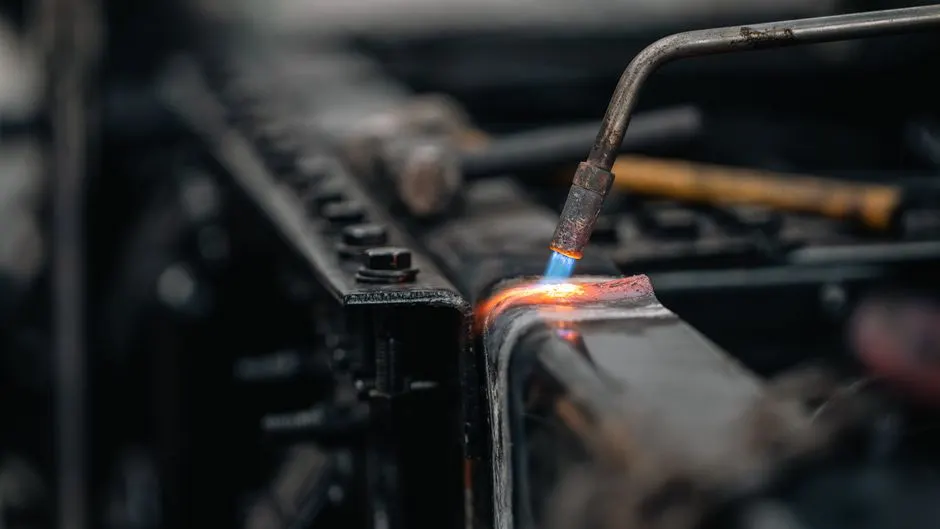
Detailed view of torch welding metal surface, featuring blue flame.
Licensed Licensed & Bonded
Fully Insured Insured & Bonded
24/7 Emergency Same-Day Response
Warranty Backed Workmanship Guaranteed

What our furnace repair service includes

Every repair call covers a full diagnostic, the fix itself, and a safety verification before we leave. Here is what is standard on the ticket and what we treat as an add-on.

Full diagnostic and fault codes

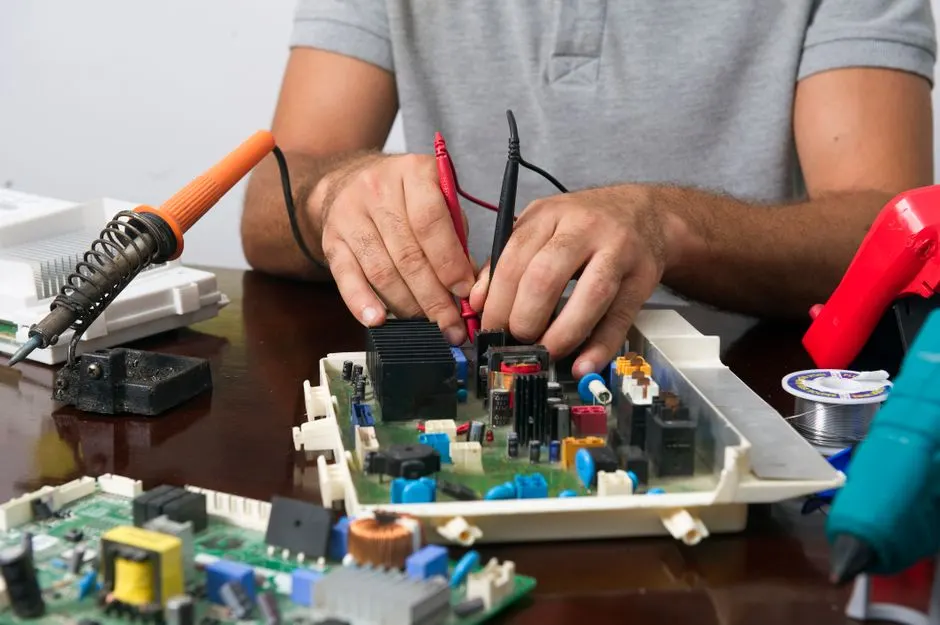
We pull stored fault codes, test the ignition sequence, and check thermostat call, limit switches, and pressure switches. You get a written summary of what failed and why. This is included in the flat diagnostic fee, no matter how long it takes.
Combustion and CO analysis

A combustion analyzer checks oxygen, CO, and stack temperature on every gas furnace we touch. If readings are off, we adjust the burners or flag a deeper issue. This is the check that catches carbon monoxide problems before they become an emergency.

Heat exchanger inspection

We run an inspection camera through the heat exchanger looking for cracks, corrosion, and soot. A cracked exchanger means the furnace is unsafe to run, and we tell you straight. This inspection is included on every repair call, not sold as an extra.

Part replacement and testing

Failed igniters, flame sensors, thermocouples, blower motors, inducer motors, gas valves, circuit boards, and limit switches get replaced with manufacturer-spec parts. We then run a full heating cycle and verify temperature rise and amp draw before calling it done.

Filter check and airflow verification

A clogged air filter is the single most common cause of furnace problems we see. We check it, replace it if needed, and measure static pressure to confirm airflow is in range. Restricted airflow overheats the exchanger and shortens equipment life.

Warranty and next-step guidance

You get warranty paperwork on the parts and labor before we leave, plus a plain recommendation on what to watch. If a repair bought you time, we say so. If replacement is coming, we give you a realistic timeline, not a scare tactic.

What Furnace Repair in Pennsylvania actually involves


Furnace Repair in Pennsylvania is the diagnostic and mechanical work that restores a failed heating system to safe, code-correct operation, whether that means a new igniter, a cleaned flame sensor, or a replaced blower motor. We start with a full combustion and electrical check, then trace the fault through the thermostat, control board, gas valve, and inducer. Most calls end with one part swapped and a verified temperature rise across the heat exchanger.

Pennsylvania winters run long and wet, and a furnace that limped through October usually quits in the first hard freeze. Homes in Philadelphia, Scranton, and Easton deal with older ductwork, undersized returns, and 20-year-old equipment that needs real diagnosis, not guesswork. If you are searching for heating repair near me Pennsylvania at 11 p.m., we answer. Our techs carry the common parts for Carrier, Trane, Lennox, Goodman, and Rheem systems so most repairs finish in one visit.

How our furnace repair process works

No mystery, no waiting around all day. Here is exactly what happens from your first call to the moment the house is warm again.

01

Schedule

Call or book online — a real human picks up and confirms a 2-hour arrival window.

02

Diagnose

Licensed tech inspects on-site, then walks you through the cause and your options.

03

Fix

The job is completed to code and done right the first time — no shortcuts, no surprises.

04

Guarantee

Every job backed by a written workmanship warranty — and we stand behind it.

Tools and methods we use

Tools & Equipment

Combustion analyzer

Measures oxygen, carbon monoxide, and stack temperature to verify safe, efficient combustion on every gas furnace we service.

Manifold gauge set

Checks gas supply and manifold pressure against manufacturer spec, catching valves that are running rich or lean.

Multimeter and clamp meter

Traces ignition circuits, thermostat calls, and control board faults, and measures blower amp draw to catch failing motors.

Inspection camera

Looks inside the heat exchanger for cracks, corrosion, and soot that would make the furnace unsafe to run.

Leak detector

Sniffs every gas connection we touch, backed by soap testing on suspect joints, before we sign off on the repair.

Vacuum pump and tube brush

Cleans burners, orifices, and the inducer assembly so airflow and ignition stay consistent after the repair.

Fin comb

Straightens bent evaporator and condenser fins to restore airflow when a clogged coil is part of the problem.

Methods & Standards

ACCA standards

We follow ACCA guidance for airflow, temperature rise, and system commissioning. That means the furnace is verified against real numbers, not just 'it lights now.' It is how we catch problems that would otherwise come back next season.

Manual J load calculation

When repair versus replace is a close call, a Manual J calculation tells us what size furnace the house actually needs. Oversized equipment short-cycles and wears out early, so getting this right matters.

NATE-certified diagnostics

Our techs work through a structured diagnostic sequence: thermostat call, ignition, flame proving, blower, and safety limits. That order finds the real fault fast instead of swapping parts on a guess.

EPA Section 608 compliance

We handle refrigerant and combustion work under EPA Section 608 rules. It is a legal requirement and a safety one, and it keeps every repair we do on the right side of the code.

When to call for furnace repair

01

Furnace quit overnight and the house is dropping below 60 degrees

What we do: Call (833) 586-3803 for emergency dispatch. We prioritize no-heat calls in freezing weather and send a tech with common parts on board. Most overnight calls are diagnosed and repaired before morning.

→ Heat restored the same night, pipes protected, and a clear explanation of what failed so you know it will not strand you again.

02

Furnace is running but the house never reaches the thermostat setting

What we do: We diagnose airflow, gas pressure, and temperature rise. Common culprits are a clogged filter, a weak blower motor, or a gas valve running under pressure. We fix the actual cause, not just the symptom.

→ The house hits the setpoint again, run times shorten, and your gas bill stops climbing from a furnace working harder than it should.

03

You hear a new noise from the furnace, like a rumble, squeal, or bang on startup

What we do: New noises mean a component is failing. We inspect the blower bearings, inducer motor, and burner assembly, then replace whatever is on its way out before it fails completely.

→ The noise is gone, and you avoided a mid-winter breakdown that would have cost more and taken longer to fix.

04

Furnace is 15 to 20 years old and needs its third repair in two seasons

What we do: We run a Manual J load calculation, inspect the heat exchanger, and give you a straight repair-versus-replace comparison with real numbers. No pressure either way.

→ You make an informed decision on your own timeline, instead of an emergency replacement on the coldest week of the year.

How furnace repair works in Pennsylvania

Pennsylvania heating season runs October through April, and the first hard freeze is when marginal furnaces fail. Philadelphia rowhomes deal with tight mechanical closets and undersized returns. Scranton and Pottsville sit in colder pockets where equipment works harder and longer. Lehigh Valley and Montgomery County homes often have 1990s furnaces that are due for real service. We see the same pattern every year: a furnace that ran fine in October quits on the first 20-degree night. Our techs know the building stock, the common failure points, and the code requirements across the state. If you need Pennsylvania furnace repair and maintenance before the cold sets in, book a tune-up in September and skip the January emergency. We run 24/7 dispatch statewide, so no-heat calls get answered no matter the hour.

Neighborhoods We Serve

  • Center City, Philadelphia

    Rowhome mechanical closets are tight, so airflow problems and undersized returns show up often. We work clean in small spaces and know the older duct layouts.

  • Lehigh Valley

    A mix of older borough housing and newer builds means we see both 1980s furnaces and modern condensing units. Parts inventory covers both.

  • Montgomery County

    Many homes here have 20-plus-year-old equipment running past its design life. We handle repair and replacement conversations with real numbers.

  • Lancaster County

    Rural properties and farmhouses often run propane or oil-adjacent systems. We know the quirks of those setups and stock the right parts.

Local Conditions We Plan For

  • Hard freezes from December through February

    Furnaces that limped through fall fail when temperatures drop below 20 degrees. We staff up for no-heat calls during cold snaps and prioritize dispatch.

  • Older housing stock with original ductwork

    Restricted airflow from undersized or leaky ducts overheats heat exchangers and shortens equipment life. We measure static pressure and flag duct issues on repair calls.

  • Wet, humid summers followed by cold winters

    Seasonal humidity swings corrode electrical connections and rust heat exchangers. Our inspection camera catches corrosion before it becomes a safety issue.

  • Mixed gas, propane, and electric heating

    Pennsylvania homes run all three, and each has different failure modes. Our techs are trained on gas, electric, and high-efficiency condensing platforms.

No heat restored in a Philadelphia rowhome

Before

A homeowner in Philadelphia called at 11 p.m. in January with a furnace blowing cold air and the house at 57 degrees. The furnace was cycling on and off every few minutes. Two previous companies had replaced the thermostat with no fix.

After

We found a dirty flame sensor causing the burner to drop out mid-cycle and a clogged filter choking airflow. Cleaned the sensor, replaced the filter, and verified temperature rise. Heat was back by 1 a.m., and the furnace has run clean through two winters since.

Maintenance: Change the filter every 60 to 90 days during heating season and have the flame sensor cleaned annually. Both are cheap and prevent the exact failure that stranded this homeowner.

Before

An 18-year-old Carrier furnace in Scranton was blowing cold air and the homeowner assumed it needed full replacement. A different company had quoted a new system. The blower was drawing high amps and shutting down on thermal overload.

After

We tested the heat exchanger with an inspection camera, confirmed it was sound, and replaced the blower motor instead. Total repair came in under $700 versus a $6,000 replacement quote. The furnace has run two more full seasons without issue.

Maintenance: Keep the blower compartment clean and have amp draw checked at every tune-up. A blower motor that is drawing high amps is on its way out, and catching it early avoids a no-heat night.

Before

A Blue Bell homeowner reported a furnace not heating and a faint gas smell near the unit. The furnace would light, run for a minute, then shut down. CO readings were elevated but not yet dangerous.

After

We leak-tested every gas connection, found a failing gas valve running rich, and replaced it. Post-repair combustion analysis showed CO back in normal range and a steady flame signal. The furnace has run clean since, and the homeowner now books an annual tune-up.

Maintenance: Any gas smell near a furnace means stop and call. Annual combustion analysis catches a failing gas valve before CO levels climb. Do not skip this check.

Furnace problems we fix across Pennsylvania

Most no-heat calls trace back to a handful of failures. Here is what we see most, what happens if you ignore it, and how we fix it.

Problem

Furnace not heating or blowing cold air

A furnace running but not heating usually means ignition failure, a stuck gas valve, or a failed limit switch. Ignoring it burns electricity, stresses the blower, and leaves you cold while the system cycles uselessly.

Our Fix

We trace the ignition sequence from thermostat call to burner light-off, test the gas valve with a manifold gauge set, and check the limit circuit. Most no-heat calls resolve with a cleaned flame sensor, a new igniter, or a gas valve replacement, done same day.

Problem

Pilot light will not stay lit

A pilot that keeps going out points to a failing thermocouple, a dirty pilot orifice, or a draft problem pulling the flame off the sensor. Left alone, it means repeated relights and eventually a no-heat night in the middle of a cold snap.

Our Fix

We test the thermocouple output with a multimeter, clean or replace the pilot assembly, and check for backdraft at the draft hood. If the issue is a cracked heat exchanger pulling the flame, we catch that with the inspection camera and tell you honestly what comes next.

Problem

Furnace short-cycling or tripping the breaker

Short cycles wear out the blower motor, stress the heat exchanger, and spike your electric bill. A tripping breaker is a safety signal, not a nuisance. Running the system through it risks a motor burnout or an electrical fault.

Our Fix

We measure amp draw with a clamp meter, check the blower capacitor, and test the control board for intermittent faults. A failing blower motor or a bad limit switch is usually behind it. We replace the failed part and verify the system runs a full cycle without tripping.

Problem

Thermostat not communicating with the furnace

A thermostat that will not call for heat leaves the furnace idle even when it is working fine. Bad wiring, a dead battery, or a failed control board can all cause it. Homeowners often replace the thermostat when the real fault is elsewhere.

Our Fix

We test the thermostat with a dedicated tester, verify the low-voltage wiring, and check the control board terminals. If the thermostat is fine, we find the actual fault. This saves you from buying a new thermostat you did not need.

Problem

Gas smell or suspected leak

Any gas smell near the furnace is a stop-everything situation. A leaking gas valve, a loose union, or a failed fitting can turn a repair call into an emergency. Do not run the furnace if you smell gas.

Our Fix

We use a leak detector on every gas connection, soap-test suspect joints, and replace failed valves or fittings. If the leak is upstream of the furnace, we shut the gas off and tell you to call your utility. Safety first, repair second.

Why homeowners call us for furnace repair

Why homeowners call us for furnace repair

A failed furnace is a comfort problem, a safety problem, and a money problem at the same time. Here is what you get when our truck pulls in.

  • Same-day heat restored

    We book same-day furnace repair in Pennsylvania for most calls placed before 2 p.m., and we stock igniters, flame sensors, thermocouples, and blower motors on the truck. That means one visit, one diagnostic fee, and heat back the same afternoon instead of a two-day wait for a part.

  • Upfront pricing, no surprises

    You get the diagnostic result and a flat price before we touch a wrench. Typical residential furnace repair Pennsylvania jobs land between $180 and $650 depending on the failed component. No hourly creep, no parts markup revealed at the end, no pressure to replace a furnace you can repair.

  • Safety checks on every call

    Every repair includes a combustion analyzer reading and a heat exchanger inspection with an inspection camera. Carbon monoxide is the risk nobody sees coming, and a cracked heat exchanger is the reason we check. If we find a gas leak or a failing limit switch, you know before we leave the driveway.

  • Repairs that hold through spring

    We test temperature rise, static pressure, and amp draw on the blower after the fix, not just whether the burner lights. A furnace that cycles correctly at 3 a.m. in February is the only proof that matters. Our work is warrantied, and we tell you what to watch for next season.

Furnace repair pricing in Pennsylvania

Typical 2026 pricing for furnace repair in Pennsylvania runs $180 to $650, with the diagnostic included in most cases. Where you land depends on the failed part, the furnace age, and whether the call is after hours. We quote the full price before starting work, so you are never surprised at the end. Our goal is affordable furnace repair in Pennsylvania that actually fixes the problem, not a temporary patch that fails in three weeks. If a repair no longer makes financial sense, we tell you and show the math.

Typical Investment Range

$180 - $650 depending on the failed component and time of call

You are paying for a diagnosis that finds the real fault, a repair that holds, and a warranty on the work. A cheap patch that fails in three weeks costs more in the end. We price the job honestly and stand behind it.

What changes the price

01

Failed component

A flame sensor cleaning or igniter swap sits at the low end, around $180 to $280. A blower motor, inducer motor, or control board pushes the job toward $450 to $650. Gas valve and heat exchanger work can run higher.

02

Furnace age and brand

Parts for older or less common brands cost more and may take longer to source. Carrier, Trane, Lennox, Goodman, and Rheem parts are usually on the truck. Off-brand equipment can add a day to the timeline.

03

Time of call

Standard business hours get the base rate. Nights, weekends, and holidays carry an emergency dispatch premium. We tell you the after-hours number before we roll, so there is no surprise.

04

Access and location

A furnace in a tight closet or attic takes longer to work on than one in an open basement. Difficult access adds labor time. We quote based on what we see, not a flat guess.

05

Repair versus replace

If the repair cost approaches half the price of a new furnace and the unit is over 15 years old, replacement may be the better call. We give you both numbers and let you decide without pressure.

06

Maintenance history

A furnace that has been serviced annually is easier to diagnose and often needs a smaller repair. Neglected systems usually need more work. Our maintenance plan members get a discount on any repair.

Licensed, certified, and accountable

Licensed & Certified

  • NATE Certification — issued by North American Technician Excellence
  • EPA Section 608 Certification — issued by U.S. Environmental Protection Agency
  • Pennsylvania HVAC License — issued by Pennsylvania Office of Attorney General
  • OSHA Safety Compliance — issued by Occupational Safety and Health Administration
  • Manufacturer Certifications — issued by Carrier, Trane, Lennox, Goodman, Rheem

Verified Reviews

Google ★★★★★4.9

Fast, honest, and fair. The tech diagnosed a failed inducer motor in 20 minutes and had the part on the truck. Heat back the same afternoon. I have recommended them to two neighbors already.

Yelp ★★★★★4.8

Called about a furnace not heating and got a same-day appointment. No upsell, no scare tactics. He showed me the failed flame sensor, cleaned it, and the furnace fired right up. Price was exactly what was quoted.

BBB ★★★★★4.9

Emergency call on a Sunday night in January. Tech arrived within two hours and had the furnace running before midnight. Professional, clean, and clearly knew the equipment. Worth every dollar.

Google ★★★★★5.0

We had three companies tell us we needed a new furnace. These guys found a bad blower motor and fixed it for a fraction of the cost. Honest work and a warranty on the repair. Will use them for maintenance from now on.

Furnace repair experience you can check

Our technicians hold NATE certification and work under EPA Section 608 handling rules, with ongoing manufacturer training on Carrier, Trane, Lennox, Goodman, Rheem, York, Bryant, American Standard, Amana, and Coleman equipment. We follow ACCA standards and run Manual J load calculations when a repair turns into a replacement conversation. Every job is done to Pennsylvania HVAC license requirements and OSHA safety compliance. We work on gas, electric, and high-efficiency condensing furnaces, and we have seen every failure mode from dirty flame sensors to failed inducer motors in the middle of a cold snap.

  • NATE-certified technicians trained on gas, electric, and condensing furnace platforms
  • EPA Section 608 certified for refrigerant and combustion safety work
  • Combustion analyzer and inspection camera used on every diagnostic call
  • Manual J load calculations available when repair versus replace is a close call
  • Work performed to ACCA standards and current Pennsylvania mechanical code
Get Started Today
Furnace repair experience you can check

Cities we serve for furnace repair in Pennsylvania

Our techs cover the whole state, from the Philadelphia metro to the Lehigh Valley, Central PA, and the northeast. Wherever you are, heating repair Pennsylvania service reaches you with same-day windows and 24/7 emergency dispatch. Here are a few of the communities we serve most often.

Philadelphia

Rowhome mechanical closets and older ductwork make airflow problems common here. We work clean in tight spaces and know the city's housing stock.

Scranton

Colder winters push equipment hard, and we see a lot of 1990s furnaces due for service. Same-day repair and emergency dispatch available.

Easton

A mix of older borough homes and newer builds means we handle both legacy and modern systems. Parts inventory covers both.

Blue Bell

Many homes here have 20-plus-year-old equipment. We handle repair and replacement conversations with real numbers and no pressure.

Dallastown

York County homeowners get same-day service and 24/7 emergency coverage. We know the local housing stock and common furnace failures.

Denver

Lancaster County properties often run propane or electric systems. Our techs are trained on all three fuel types and stock the right parts.

Palmyra

Lebanon County homes deal with hard freezes and older ductwork. We measure static pressure and flag airflow issues on every repair call.

Summerdale

Small-town service with the same dispatch network as the metro. Same-day windows and emergency coverage for no-heat calls.

Gap

Rural Lancaster County properties get the same response times as urban calls. We stock parts regionally so most repairs finish in one visit.

Croydon

Bucks County homeowners get fast dispatch and NATE-certified techs. We handle gas, electric, and high-efficiency systems.

Ambler

Montgomery County homes often have aging equipment. We diagnose honestly and give you a straight repair-versus-replace read.

Montgomeryville

Suburban homes with modern systems get manufacturer-spec parts and combustion analysis on every call. Same-day service available.

Delta

Rural York County properties get the same 24/7 coverage. We know the quirks of older farmhouse heating setups.

Quakertown

Bucks County homeowners get same-day repair and emergency dispatch. We stock common parts for Carrier, Trane, Lennox, and Goodman.

Plymouth Meeting

Montgomery County homes get fast response and honest pricing. We handle everything from flame sensor cleanings to blower motor replacements.

Furnace repair questions we hear every week

Real answers to the questions we hear most often from local homeowners and property managers.

How much does furnace repair cost in Pennsylvania?
Most residential furnace repair in Pennsylvania runs $180 to $650 in 2026, including the diagnostic. A flame sensor cleaning or igniter swap sits at the low end; a blower motor or control board replacement pushes toward the top. Emergency and after-hours calls add a dispatch premium. We quote the full price before starting work, so the number you hear is the number you pay.
How long does furnace repair take in Pennsylvania?
A typical repair takes one to three hours on site, and most same-day calls are finished within four hours of arrival. Diagnostics alone run 30 to 45 minutes. If the failed part is not on the truck, we give you the lead time upfront and schedule the return visit. Simple fixes like a dirty flame sensor are often done in under 90 minutes.
Can I get emergency heating repair in Pennsylvania tonight?
Yes. We run 24/7 emergency dispatch across Pennsylvania, including nights, weekends, and holidays. Call (833) 586-3803 and describe the symptoms. If you smell gas, leave the house and call your utility first, then call us. For no-heat calls in freezing weather, we prioritize dispatch so pipes do not become the next problem.
What causes a furnace to stop working in Pennsylvania?
The most common causes we find are a dirty flame sensor, a clogged air filter choking airflow, ignition failure, thermostat malfunction, and blower motor failure. In older Pennsylvania homes, cracked heat exchangers and failing limit switches show up often too. Cold snaps push marginal equipment over the edge, which is why so many no-heat calls land on the first hard freeze.

Other heating services we handle

Emergency Furnace Repair

When the furnace dies at midnight and the house is dropping fast, our emergency crew rolls with the parts to get heat back. Available 24/7 across Pennsylvania, with priority dispatch during hard freezes.

View Emergency Furnace Repair

Furnace Installation

New system going in? We size it with a Manual J load calculation, pull the right permits, and commission it to manufacturer spec. Proper installation is why the next furnace repair call is years away, not months.

View Furnace Installation

Furnace Replacement

When repair no longer makes financial sense, we walk you through replacement options with real numbers. We haul the old unit, set the new one, and verify temperature rise and CO levels before we leave.

View Furnace Replacement

Furnace Maintenance

Annual maintenance catches the dirty flame sensor, the failing inducer, and the clogged filter before they strand you in January. Our plan members get priority scheduling and a discount on any repair work.

View Furnace Maintenance

Furnace Tune-Up

A tune-up covers burner cleaning, flame sensor check, blower amp draw, and a combustion analysis. Ninety minutes in the fall saves most homeowners a no-heat call in the winter. We recommend one every heating season.

View Furnace Tune-Up

Furnace Cleaning

Dust, pet hair, and debris choke airflow and drive up your gas bill. We clean the burners, blower, and cabinet, then verify static pressure is back in range. Cleaner equipment runs cooler and lasts longer.

View Furnace Cleaning

Get your Furnace Repair in Pennsylvania started today

Cold house, no heat, and a furnace that will not fire? Call (833) 586-3803 and we will dispatch a NATE-certified tech with the parts to fix it. Flat-rate diagnostics, upfront pricing, and a warranty on every repair. Same-day and 24/7 emergency service across Pennsylvania.

Call now Book a repair

Contact Furnace Pros Pennsylvania

Call (833) 586-3803 any time, day or night, and a live dispatcher will get a tech headed your way. We run 24/7 emergency service across Pennsylvania and book standard appointments Monday through Friday, 8 a.m. to 6 p.m. Prefer email? Send your address and symptoms to info@furnaceprospennsylvania.com and we will call you back with an ETA.

Furnace Pros Pennsylvania


  • Address

    Pennsylvania

  • Hours

    Mon–Fri: 7AM – 7PM
    Sat: 8AM – 4PM
    Sun: Emergency Only
    24/7 Emergency Available

Call (833) 586-3803 Get Quote
Call Quote