
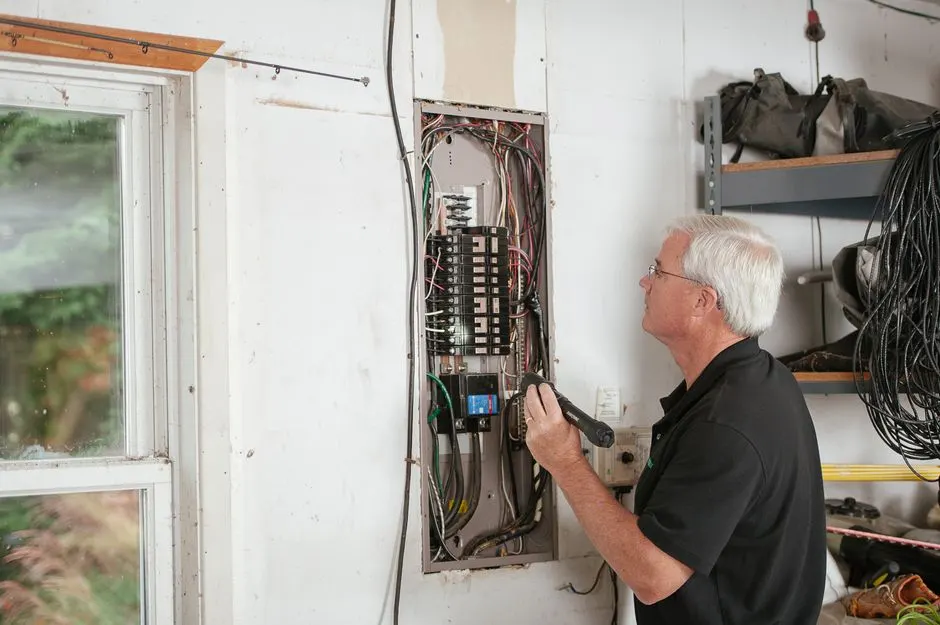
Manual J load calculation
We measure every room, check insulation, window type, and duct layout, then calculate the exact BTU output your home needs. This is the single most important step in the job, and the one cut-rate installers skip.
Every install we do covers the full scope, not just the box swap. Here is what is in the standard job, and what we handle as an add-on when your home needs it.
We measure every room, check insulation, window type, and duct layout, then calculate the exact BTU output your home needs. This is the single most important step in the job, and the one cut-rate installers skip.
We pull the mechanical permit with your municipality and schedule the inspection. That paperwork protects your warranty and matters when you sell the house. No permit means no coverage on most manufacturer warranties.
The furnace, thermostat wiring, gas or electrical hookup, flue connection, and plenum seal are all part of the job. We pressure-test gas lines with a manifold gauge set and verify airflow before we call it complete.
We run a combustion analyzer on the flue, check for gas leaks with a leak detector, and verify the heat exchanger and venting are correct. You get a printed startup report with the readings, not just a handshake.
We register the manufacturer warranty in your name, hand you the labor warranty in writing, and walk you through the filter location, shutoff valve, and thermostat. You will know how to run the system before we leave.
Furnace Installation in Pennsylvania is the full removal and replacement of your home's heating plant, including the unit itself, gas or electrical connections, flue and venting, thermostat wiring, and a verified startup. It is not a swap-and-go job. We pull the old furnace, inspect the heat exchanger and flue, run a Manual J load calculation to size the new equipment, then set the unit, seal the plenum, and commission it with a combustion analyzer before we call it done.
Pennsylvania homes take a beating between November and March, and most of the housing stock here was built before modern insulation standards. That means undersized ductwork, drafty basements, and furnaces that were oversized decades ago. If your system is 15 to 20 years old, short-cycling, or you are pricing out the cost to install a new furnace in Pennsylvania, we will walk your basement, measure the house, and give you a straight answer on what size and efficiency you actually need.
Five steps, no surprises. Most installs are done in a single day, and we clean up before we leave.
Schedule
Call or book online — a real human picks up and confirms a 2-hour arrival window.
Diagnose
Licensed tech inspects on-site, then walks you through the cause and your options.
Fix
The job is completed to code and done right the first time — no shortcuts, no surprises.
Guarantee
Every job backed by a written workmanship warranty — and we stand behind it.
Manifold gauge set
Used to set gas pressure at the valve and verify the manifold pressure matches the manufacturer spec for your altitude and fuel type.
Combustion analyzer
Measures flue gas oxygen, carbon monoxide, and temperature to confirm the furnace is burning clean and venting correctly before we leave.
Leak detector
Electronic sniffer used on every gas connection after assembly. We do not rely on smell or soap bubbles alone.
Clamp meter and multimeter
Used to verify amp draw on the blower motor and inducer, and to test circuit boards, limit switches, and thermostat wiring.
Inspection camera
Lets us look inside the heat exchanger and flue without cutting into ductwork, so we can confirm cracks or blockages before recommending replacement.
Vacuum pump
Used on any job involving line evacuation, and to pull debris from the condensate system on high-efficiency condensing furnaces.
Manual J load calculation
The ACCA standard for sizing heating equipment. We measure square footage, insulation values, window area and type, and air infiltration, then calculate the exact BTU output your home needs. This prevents the two most common install mistakes: oversizing and undersizing.
ACCA standards compliance
Every install follows ACCA design and installation standards for airflow, static pressure, and duct sizing. This is what separates a code-correct install from a box swap that fails inspection or runs inefficiently.
Combustion testing at startup
We run a combustion analyzer on the flue after the furnace is running and adjust the gas valve until readings are within manufacturer spec. This confirms safe operation and peak efficiency from day one.
Permitted, inspected installation
We pull the mechanical permit and schedule the municipal inspection on every job. It protects your warranty, satisfies code, and gives you documentation if you ever sell the home.
01
What we do: We inspect the heat exchanger, blower motor, and inducer, then price out repair versus replacement side by side. If repair costs approach half the price of new equipment, replacement is the smarter money.
→ You stop paying for patch repairs and get a warrantied system with a known service life ahead of it.
02
What we do: We do a full assessment, run the Manual J, and quote replacement options before you close or right after. We handle the permit and can coordinate timing around your move-in date.
→ You move in with heat you can trust and no surprise $6,000 bill in the first January.
03
What we do: We check the current furnace's efficiency, duct leakage, and static pressure. Often the fix is a correctly sized high-efficiency unit plus duct sealing at the plenum and boots.
→ Lower monthly bills, even heat upstairs, and a system that runs fewer cycles per hour.
04
What we do: We recalculate the load with the new square footage included and either upgrade to a larger correctly sized unit or add a zoned system with a second thermostat.
→ The new space heats properly without cooking the rest of the house or short cycling the furnace.
Pennsylvania winters are not uniform. A furnace in Erie faces lake-effect cold and long run times, while a unit in Philadelphia deals with milder temperatures but older rowhome ductwork and tight basements. In Lancaster and York County, we run into a lot of stone farmhouses with no existing ductwork, which means the install includes a duct design conversation. In the Pittsburgh suburbs, 1960s and 1970s split-levels often have undersized returns that need correction before a new furnace can breathe properly. We size every job with a Manual J, pull the mechanical permit with your municipality, and install to current Pennsylvania code. If you are pricing out furnace replacement and installation in Pennsylvania, the honest answer depends on your house, not a national average. We check the flue, the gas line, and the duct static pressure before quoting, because those three things drive most of the cost variance between one home and the next.
Lancaster County
Lots of older farmhouses and stone construction. Many have no existing ductwork, so installs often include a duct design and new runs to first-floor rooms.
Philadelphia rowhomes
Tight basements and shared walls limit equipment placement. We frequently use horizontal or low-profile units and short flue runs to fit the space.
Pittsburgh suburbs
1960s and 1970s split-levels with undersized return ducts. We often correct return sizing before installing the new furnace so airflow is right.
Lehigh Valley
Mix of new construction and older homes. Newer builds often need right-sized equipment, not larger, because tighter envelopes reduce the heating load.
Cold snaps that push furnaces to continuous run
A properly sized furnace should run 80% to 100% of the time on the coldest days. Oversized units short cycle and wear out faster. We size for the design temperature, not the average.
Older housing stock with original ductwork
Ducts from the 1950s and 1960s often leak 20% to 30% of airflow. We seal plenums and boots during install so the new furnace's efficiency actually reaches the rooms.
Municipal permit and inspection requirements
Permit rules vary by township. We handle the paperwork and schedule the inspection so you are not chasing the code office yourself.
Most homeowners call us because something is already wrong. Here are the four situations we see most often, and what a proper install does about them.
Problem
A furnace that runs but never warms the house usually has a failed igniter, a dirty flame sensor, or a cracked heat exchanger. Left alone, it wastes gas and can become a carbon monoxide risk.
Our Fix
We diagnose the actual failure first. If it is a $200 part, we replace it. If the heat exchanger is cracked or the unit is at end of life, we quote a replacement with a Manual J so the new furnace is sized correctly.
Problem
An oversized furnace heats fast, hits the limit switch, and shuts off. It runs more cycles per hour, wears out the blower motor and circuit board faster, and leaves upstairs rooms cold while the thermostat reads satisfied.
Our Fix
We run a load calculation to confirm the right BTU output, then install a correctly sized unit. We also check duct static pressure and balance dampers so the heat reaches the rooms that need it.
Problem
An 80% AFUE furnace loses 20 cents of every heating dollar up the flue. As heat exchangers degrade, efficiency drops further. Homeowners often pay 30% to 40% more per winter than they should.
Our Fix
We install high-efficiency equipment at 95% to 98% AFUE, sized to your home. Most customers see a $300 to $700 per season drop in heating cost, which offsets a chunk of the install price over the equipment's life.
Problem
Unpermitted installs and undersized gas lines fail inspection when you sell, and manufacturers deny warranty claims on equipment that was not installed to spec. That is a $1,000+ problem dropped in your lap.
Our Fix
We pull the permit, install to ACCA standards and current Pennsylvania code, and register the warranty in your name. If a prior install needs correcting, we document what is wrong and fix it properly.
A new furnace is not a luxury purchase. It is the difference between a $180 January gas bill and a $420 one, and between waking up warm and waking up to a cold house at 6 a.m.
Lower monthly heating bills
Modern high-efficiency units run 95% to 98% AFUE, compared to 80% on older furnaces. On a typical Pennsylvania winter, that gap saves $300 to $700 per season. We size the equipment to your actual square footage, so you are not paying to heat air you do not have.
Heat that actually reaches the rooms
Half the cold-room complaints we see are duct problems, not furnace problems. During new furnace installation Pennsylvania crews seal leaking plenums, balance dampers, and check static pressure. You get even heat upstairs, not a hot living room and a freezing back bedroom.
Fewer 2 a.m. no-heat calls
A cracked heat exchanger or a failing inducer motor does not announce itself politely. It quits on the coldest night of the year. A properly installed furnace with fresh igniters, flame sensors, and a clean blower motor cuts emergency calls dramatically over the next decade.
Warranty and code coverage
Installing without a permit or a licensed contractor voids most manufacturer warranties. We pull the permit, install to ACCA standards, and register your equipment so the 10-year parts warranty is valid. That paperwork matters when a $1,200 circuit board fails in year four.
Typical 2026 pricing for furnace installation in Pennsylvania runs $3,800 to $8,500 for a standard residential job, all-in. That covers equipment, labor, permit, and startup testing. The low end is a basic 80% single-stage unit in a smaller home with existing ductwork that does not need modification. The high end is a 96% two-stage variable-speed system with new venting, a new thermostat, and duct corrections. We give you a written quote after the in-home assessment, with equipment model numbers and warranty terms spelled out. No phone guesses, no bait-and-switch pricing.
Typical Investment Range
$3,800 - $8,500 depending on equipment, home size, and ductwork scope
A correctly sized, permitted install protects your manufacturer warranty, cuts winter gas bills by $300 to $700 per season, and gives you 15 to local experience. The cheap quote that skips the load calculation and the permit costs more over the life of the equipment.
What changes the price
Equipment efficiency and brand
An 80% single-stage unit costs less up front than a 96% two-stage variable-speed system. The efficiency gap pays back over 8 to 12 winters in most Pennsylvania homes. Brand also matters: Carrier, Trane, and Lennox sit higher than Goodman and Rheem, with the difference mostly in parts availability and warranty terms.
Home size and BTU requirement
A 1,200-square-foot home needs less equipment than a 3,000-square-foot one. The Manual J calculation sets the BTU output, and larger equipment costs more. Oversizing to 'be safe' is a waste of money and causes short cycling.
Ductwork and venting condition
If the existing flue is undersized, corroded, or needs to be relined, that adds cost. Same for ductwork that needs sealing, resizing, or new runs. We inspect both during the assessment and quote the corrections separately so you see exactly what you are paying for.
Gas line and electrical work
Some homes need a larger gas line or a dedicated circuit for the new furnace. Both are common in older Pennsylvania housing stock. We test gas pressure and check the panel during the assessment so this is not a surprise on install day.
Permit and inspection fees
Municipal permit fees vary across Pennsylvania, typically $75 to $250. We include the permit in our quote. Skipping it saves a little up front and costs you the manufacturer warranty and a headache at resale.
Thermostat and controls
A basic programmable thermostat is often included. Smart thermostats, zoning controls, or a second zone add cost. If you want zoning for a two-story home, we quote it as part of the install so the equipment and controls are matched.
Google ★★★★★4.9
Straightforward quote, no pressure, and they actually ran a load calculation instead of guessing. Install was clean, permit was handled, and the crew walked me through everything before leaving. Heat has been solid all winter.
Yelp ★★★★★4.8
Called on a Monday with no heat, had a new furnace by Wednesday. They found a cracked heat exchanger on the old unit and showed me the camera footage. Fair price for the scope and they registered the warranty for me.
BBB ★★★★★4.9
Professional from start to finish. The estimator measured every room, the installers laid drop cloths and cleaned up, and the final combustion test report was handed to me in writing. Would use again.
Our crews cover the whole state, from the Philadelphia metro through Lancaster and York County, into the Lehigh Valley, and west to Pittsburgh. Every city below gets the same process: in-home assessment, Manual J load calculation, permitted install, and combustion testing at startup. If you are searching for a heating system installation Pennsylvania homeowners recommend, we are probably already working in your area.
Lancaster has a lot of older farmhouses and stone construction. We handle duct design for homes without existing runs and size equipment for the actual heating load, not square footage.
Mechanicsburg homeowners often deal with 1970s and 1980s furnaces at end of life. We install permitted replacements with combustion testing and register the warranty in your name.
Columbia's mix of older rowhomes and single-family houses means ductwork varies block to block. We inspect the flue and static pressure before quoting so the install is right.
Doylestown has larger homes with zoning needs. We install two-stage and variable-speed systems with matched thermostats so upstairs and downstairs heat evenly.
Langhorne's suburban housing stock is mostly 1960s to 1990s construction. We frequently correct undersized return ducts during the install so the new furnace breathes properly.
Mount Joy homeowners get the full process: Manual J, permit, install, and startup testing. We handle the municipal inspection paperwork so you do not have to.
New Holland has a lot of rural and semi-rural properties. We size for the actual envelope, which often means smaller equipment than the old furnace being replaced.
Woodlyn's older homes often have original ductwork with significant leakage. We seal plenums and boots during install so the new furnace's efficiency reaches the rooms.
Manchester installs are typically one-day jobs. We pull the permit, install the equipment, run combustion testing, and walk you through the system before we leave.
East Berlin's rural properties sometimes need gas line upgrades before a new furnace goes in. We check pressure and line size during the assessment so there are no surprises.
Talmage homeowners get the same process as our metro jobs: load calculation, permit, install, and a written startup report with combustion readings.
Hatboro's post-war housing stock often has furnaces in tight closets. We use low-profile and horizontal units when space is limited, and still meet code clearance.
Gilbertsville installs often include duct corrections on older homes. We balance dampers and check static pressure so heat reaches every room, not just the closest ones.
Haverford has larger older homes that were often fitted with oversized furnaces decades ago. We run a Manual J and right-size the replacement, which stops short cycling.
Mount Wolf homeowners get permitted, code-correct installs with warranty registration and a labor warranty in writing. Most jobs are done in a single day.
Real answers to the questions we hear most often from local homeowners and property managers.
If your current furnace can be fixed for a few hundred dollars instead of replaced, we will tell you. We diagnose ignition failure, dirty flame sensors, blower motor problems, and thermostat faults on every major brand before recommending replacement.
View Furnace RepairNo heat at 2 a.m. in January is an emergency. We run 24/7 emergency calls across Pennsylvania for furnace not heating, furnace blowing cold air, and pilot light failures. Fast response, real diagnosis, and a fix when it can be fixed on the spot.
View Emergency Furnace RepairWhen repair costs approach half the price of new equipment, replacement is the smarter call. We handle furnace replacement and installation in Pennsylvania with permitted, code-correct work and equipment sized to your home, not to a catalog page.
View Furnace ReplacementAnnual maintenance keeps a new furnace running at its rated efficiency and protects the warranty. We clean the burners, check the heat exchanger, test the igniter and flame sensor, and replace the air filter. One visit a year prevents most mid-winter breakdowns.
View Furnace MaintenanceA tune-up is the lighter version of maintenance, focused on combustion efficiency and airflow. We run a combustion analyzer, check static pressure, and adjust the blower. It is a smart move before the first cold snap, especially on a furnace that is five to ten years old.
View Furnace Tune-UpDust, pet hair, and debris build up in the blower compartment and burners over time. Our cleaning service pulls the burners, brushes the tubes, vacuums the cabinet, and checks the inducer. Clean equipment runs cooler and lasts longer.
View Furnace CleaningCall (833) 586-3803 any time, day or night, and a live dispatcher will get a tech headed your way. We run 24/7 emergency service across Pennsylvania and book standard appointments Monday through Friday, 8 a.m. to 6 p.m. Prefer email? Send your address and symptoms to info@furnaceprospennsylvania.com and we will call you back with an ETA.
Phone
(833) 586-3803Address
Pennsylvania
Hours
Mon–Fri: 7AM – 7PM
Sat: 8AM – 4PM
Sun: Emergency Only
24/7 Emergency Available