
Furnace Pros Pennsylvania logo Furnace Pros Pennsylvania
Get Estimate

Furnace Replacement in Pennsylvania Done Right the First Time

Licensed installers, honest pricing, and heat back on fast


Furnace Replacement in Pennsylvania is what we do every day, from Pittsburgh rowhouses to Lancaster County farmhouses. If your old unit is 15-plus years old, blowing cold air, or costing more each winter, we pull it, size the new one with a Manual J load calculation, and install it code-correct. Our techs carry NATE certification and EPA Section 608, and we leave with your heat running and your basement clean.

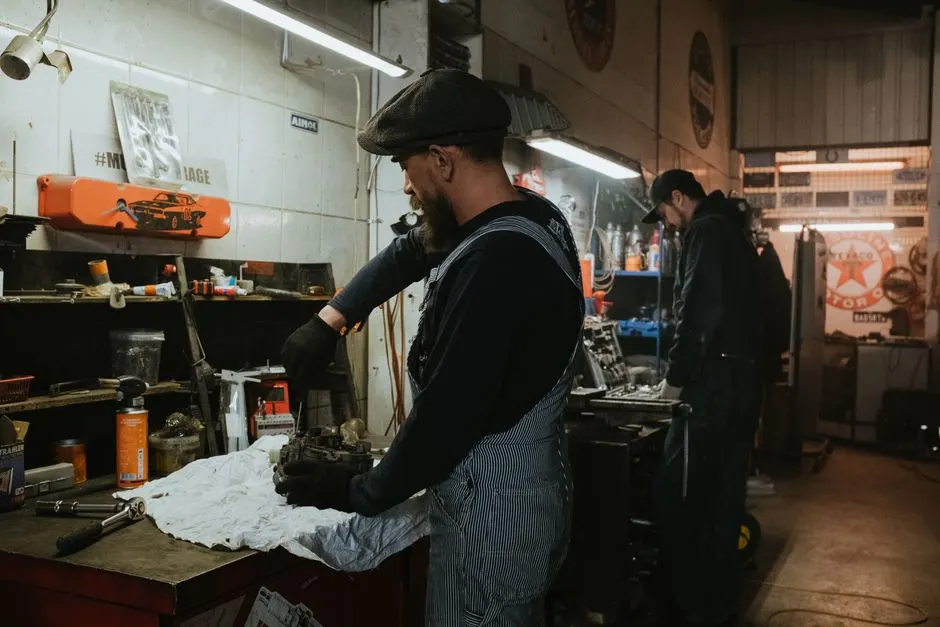
Two auto mechanics engaged in vehicle repair work inside a dimly lit garage.
Licensed Licensed & Bonded
Fully Insured Insured & Bonded
24/7 Emergency Same-Day Response
Warranty Backed Workmanship Guaranteed

What Every Replacement Includes

Every furnace replacement we do covers the full job, not just the box. Below is what comes standard. Add-ons like duct sealing, flue liners, or a smart thermostat are quoted separately before we start, so you always know what you are paying for.

Manual J Load Calculation

We measure your home and calculate the correct BTU output instead of guessing. Oversized furnaces short-cycle and wear out early; undersized ones never catch up on a cold night. This step takes 30 minutes and prevents both problems.
Full Removal and Haul-Away

We disconnect the old furnace, cap the gas line safely, and carry the unit out. No old equipment left in your garage or on the curb. Disposal and any refrigerant recovery are included in the quoted price.

New Gas and Electrical Connections

We run new connections where code requires them, install a proper shutoff valve, and wire the thermostat and safety controls. Every gas joint gets a leak detector pass before we fire the unit.

Combustion Testing and Commissioning

A combustion analyzer verifies CO levels and steady draft, and we set gas pressure with a manifold gauge set. You get printed readings at the end of the job, not a verbal all-clear.

Permit and Inspection Coordination

Where your township requires a mechanical permit, we pull it and meet the inspector on site. You get the signed-off paperwork for your records, which matters at resale time.

Filter and Thermostat Setup

We install fresh air filters, set your thermostat schedule, and walk you through filter changes. A clogged filter is the number one cause of premature blower motor failure, so we make sure you know the schedule.

What Furnace Replacement in Pennsylvania Actually Involves


Furnace Replacement in Pennsylvania means removing your old gas, electric, or oil furnace and installing a new one sized to your house, not to a catalog number. We start with a Manual J load calculation to match BTU output to your square footage, insulation, and window count. Then we pull the old unit, inspect the heat exchanger and flue, run new gas connections where needed, wire the thermostat, and commission the system with a combustion analyzer. Most jobs take one day, start to finish.

Pennsylvania homes take a beating. Winters swing from 40 degrees to single digits in a week, and older housing stock in places like Pittsburgh and Allentown still runs on 20-year-old furnaces with cracked heat exchangers. If you are searching for furnace replacement near me Pennsylvania, you are probably tired of $600 heating bills and a system that quits on the coldest night of the year. A new furnace replacement Pennsylvania homeowners can count on cuts gas use by 20 to 40 percent and ends the repair-or-replace guessing game.

How Our Replacement Process Runs

Five steps, one day for most homes, and no surprise line items. Here is exactly what happens from your first call to the final test.

01

Schedule

Call or book online — a real human picks up and confirms a 2-hour arrival window.

02

Diagnose

Licensed tech inspects on-site, then walks you through the cause and your options.

03

Fix

The job is completed to code and done right the first time — no shortcuts, no surprises.

04

Guarantee

Every job backed by a written workmanship warranty — and we stand behind it.

Tools and Standards We Work To

Tools & Equipment

Combustion Analyzer

Measures CO, oxygen, and flue temperature at commissioning. We print the readings so you have documented proof the system is burning clean and venting safely.

Manifold Gauge Set

Sets gas pressure at the valve to the manufacturer's spec. Wrong pressure means incomplete combustion, soot, and short heat exchanger life.

Leak Detector

Sniffs every gas joint and connection after install. We test before and after firing the furnace, and we do not leave until every joint reads clean.

Clamp Meter and Multimeter

Verifies amperage draw on the blower motor and tests control circuits, limit switches, and the thermostat. Electrical faults are the second most common no-heat cause after ignition problems.

Inspection Camera

Lets us look inside the heat exchanger and flue without cutting into ductwork. Cracks and corrosion show up on camera long before they become a CO problem.

Fin Comb and Tube Brush

Straightens bent coil fins and clears burner tubes during commissioning. Clean passages mean the airflow and BTU output match the rating plate.

Vacuum Pump

Used on any job involving refrigerant lines or system evacuation. Pulls a proper vacuum so moisture does not contaminate the system later.

Methods & Standards

Manual J Load Calculation

The ACCA standard for sizing heating equipment. We measure square footage, insulation values, window area, and air infiltration, then calculate the exact BTU load. This is why our installs heat evenly instead of short-cycling or running nonstop.

Combustion Analysis and Draft Verification

After firing the new furnace, we measure CO, oxygen, and stack temperature and confirm proper draft. If readings fall outside spec, we adjust gas pressure or airflow until they land in range. You see the numbers before we leave.

Code-Correct Permitting

We work to Pennsylvania HVAC license requirements and local mechanical codes. Where a township requires a permit, we pull it and meet the inspector. Gas piping, flue sizing, and clearances all get checked against current code, not the code from when your old furnace went in.

Manufacturer Certification Compliance

We install to each brand's published spec so your warranty stays valid. Carrier, Trane, Lennox, and the rest all require correct sizing, venting, and gas pressure for coverage. Skipping those steps voids the warranty, and we do not skip them.

When Replacement Makes Sense

01

Your furnace is 15 to 20 years old and you plan to stay in the house five more years.

What we do: We quote a mid-tier 96 percent AFUE system from a brand like Goodman or Rheem that balances upfront cost against long-term savings. We size it with a Manual J calculation and handle the permit.

→ You get reliable heat for the next decade, lower monthly gas bills, and a warranty that covers the years you actually live there.

02

You just bought a Pennsylvania home and the inspection flagged a cracked heat exchanger.

What we do: We treat it as a safety issue first. We test with a combustion analyzer, document CO readings, and quote a replacement with a new flue liner if the old one is undersized or corroded.

→ You move in with a safe, code-compliant system and paperwork that satisfies your lender and your insurance company.

03

Your oil furnace is costing a fortune and you want to switch to gas.

What we do: We handle the full conversion: gas line run, new furnace, flue changes, and permit. Brands like Carrier and Trane offer conversion-friendly models, and we size the new unit for your actual heat load.

→ You cut fuel costs significantly, gain a cleaner basement, and stop scheduling oil deliveries every few weeks.

04

Your furnace runs but never gets the house warm on single-digit nights.

What we do: That is usually an undersized unit or a failing blower. We measure actual output, check the blower motor and limit switches, and if the unit is undersized, we quote a correctly sized replacement.

→ The house holds temperature through a cold snap, and the furnace stops running nonstop trying to catch up.

How Replacement Runs Across Pennsylvania

Pennsylvania winters are not one thing. Pittsburgh gets lake-effect cold and older mill-era housing with undersized flues. Lancaster County has farmhouses with oil conversions and ductwork that was never sized for modern equipment. The Philadelphia suburbs deal with tight rowhouse chases and township permits that vary block to block. We work all of it. Our crews know which townships want a mechanical permit and which want a gas inspection too, and we schedule around the first hard freeze because that is when no-heat calls spike. If you need a new furnace replacement Pennsylvania homeowners can rely on before January, book the estimate now. We also handle high efficiency furnace replacement Pennsylvania rebate paperwork where utility programs apply, so you capture what is available. Typical 2026 pricing in this area runs $3,800 to $7,500 for a standard swap, with high-efficiency systems higher.

Neighborhoods We Serve

  • Pittsburgh's South Hills

    Lots of 1950s brick homes with original ductwork sized for coal conversions. We often upsize the return air path during replacement so the new furnace can actually move its rated CFM.

  • Center City Philadelphia Rowhouses

    Tight mechanical chases and shared walls mean venting and clearances need careful planning. We measure before we quote so the new unit fits the space and passes inspection.

  • Lancaster County Farmhouses

    Many still have oil furnaces and masonry chimneys. A gas conversion usually needs a flue liner and a new gas run, which we handle in-house rather than subcontracting.

  • Lehigh Valley New Builds

    Homes built in the last 20 years often have undersized returns. We check static pressure during the assessment and correct duct issues during the swap.

Local Conditions We Plan For

  • Single-digit cold snaps in January and February

    Furnaces fail hardest on the coldest nights, so we prioritize no-heat calls and keep replacement slots open through the winter. If your unit dies, we can often install within 24 to 48 hours.

  • Older housing stock with original ductwork

    Ducts sized for 1970s equipment often cannot handle a modern furnace's airflow. We measure static pressure and correct restrictions during install so the system runs at its rated efficiency.

  • Township-by-township permit rules

    Permit requirements vary across the state. We check your local code office before scheduling, pull the permit, and meet the inspector so you never chase paperwork.

  • Utility rebate programs for high-efficiency units

    Many Pennsylvania utilities offer rebates on 96 percent-plus furnaces. We help you file the paperwork so you capture the credit instead of leaving it on the table.

22-Year-Old Furnace to 96% AFUE

Before

A Pittsburgh homeowner was running a 22-year-old 80 percent furnace that needed a new blower motor and had a dirty flame sensor causing intermittent ignition failure. Winter gas bills were running $340 a month, and two rooms never got above 65 degrees.

After

We installed a 96 percent AFUE two-stage furnace sized with a Manual J calculation. Gas use dropped 32 percent the first winter, and every room now holds within two degrees of the thermostat setting. The old unit was hauled away the same day.

Maintenance: Change the air filter every 60 to 90 days, and schedule an annual tune-up each fall. Two-stage furnaces reward clean filters with lower gas use and quieter operation.

Before

A farmhouse near East Earl had an oil furnace with a corroded flue and a tank nearing end of life. Oil deliveries were running $500 a month in winter, and the basement smelled of fuel. The chimney had no liner rated for gas.

After

We ran a new gas line, installed a stainless flue liner, and set a 97 percent AFUE condensing furnace. The basement is now clean and odor-free, and heating costs dropped by more than half. The permit and inspection were handled start to finish.

Maintenance: Condensing furnaces produce condensate, so keep the drain line clear and check it monthly in winter. Annual service keeps the secondary heat exchanger clean and efficiency at rating.

Before

An Allentown homeowner had a furnace that ran constantly but could not keep the second floor warm. Static pressure was high, returns were undersized, and the blower motor was drawing above rated amperage. Two prior contractors had quoted a straight swap with no duct work.

After

We replaced the furnace and corrected the return air path, then set airflow with a fin comb and clamp meter. The second floor now heats evenly, the furnace cycles normally instead of running nonstop, and amperage draw sits within spec.

Maintenance: Keep furniture and rugs clear of return grilles, and have static pressure checked at each annual tune-up. Correct airflow is what keeps the system efficient between visits.

Problems a New Furnace Puts Behind You

Old furnaces fail in predictable ways, and every one of them costs you money or comfort until you deal with it. Here are the calls we get most often and what replacement changes.

Problem

Furnace blowing cold air in December

You run space heaters room to room, your electric bill spikes, and pipes in exterior walls sit at risk of freezing overnight.

Our Fix

We diagnose the root cause first. If it is a failed igniter or gas valve on a young furnace, we repair it. If the heat exchanger is cracked or the unit is past 15 years, we replace it and have heat running the same day in most cases.

Problem

Repair bills stacking up every winter

Two or three service calls a season at $300 to $600 each adds up fast, and you still end up replacing the unit eventually.

Our Fix

We give you the honest math: total repair cost versus replacement cost, plus expected remaining life. When repairs pass $1,200 on an aging system, replacement usually wins, and we say so plainly.

Problem

Uneven heat and cold rooms

Bedrooms stay cold while the hallway overheats, and you crank the thermostat to compensate, which drives up gas use all winter.

Our Fix

A correctly sized furnace with properly set airflow fixes most of this. We check duct sizing during the assessment and set the blower with a fin comb and clamp meter so every register gets its share.

Problem

Rising gas bills with no change in habits

An 80 percent AFUE furnace wastes a fifth of every dollar you spend on heat, and that gap widens as the unit ages and the heat exchanger fouls.

Our Fix

High efficiency furnace replacement Pennsylvania homes get today runs 96 to 98 percent AFUE. Most customers see 20 to 40 percent lower gas use the first full winter, which softens the upfront cost considerably.

Why Homeowners Replace Instead of Patch

Why Homeowners Replace Instead of Patch

A furnace that needs a third repair in two winters is telling you something. Here is what a new system actually delivers for Pennsylvania households.

  • Lower Monthly Gas Bills

    High efficiency furnace replacement Pennsylvania homes get today runs 96 to 98 percent AFUE. If your old unit sits at 80 percent, you are paying for heat that goes up the flue. Most customers see gas use drop 20 to 40 percent the first full winter, which pays back a chunk of the install.

  • Heat That Shows Up Fast

    A correctly sized furnace brings rooms to temperature in minutes, not an hour. We set airflow with a fin comb and clamp meter so every register gets its share. No more bedrooms at 62 degrees while the hallway hits 74.

  • No More 2 A.M. Breakdowns

    New igniters, flame sensors, and circuit boards mean fewer no-heat calls. We test the limit switches and inducer motor before we leave, so you are not the house calling for emergency service during a January cold snap in Hershey or Dover.

  • Safer Combustion, Verified

    A cracked heat exchanger can push carbon monoxide into your living space. Every replacement gets a combustion analyzer test and a leak detector pass on the gas valve and connections. You get numbers, not a handshake, before we pack up.

What Replacement Costs in 2026

Honest numbers: most standard replacements in Pennsylvania run $3,800 to $7,500 installed in 2026. High-efficiency variable-speed systems land between $6,500 and $11,000. The furnace replacement cost Pennsylvania homeowners actually pay depends on BTU size, efficiency tier, flue condition, gas line work, and permit fees. We quote the full job upfront, including haul-away and testing, so there are no surprise line items after the crew arrives. Financing is available if you would rather spread the cost across the year.

Typical Investment Range

$3,800 - $11,000 installed, depending on size, efficiency tier, and any flue or gas line work

A correctly sized, code-correct install protects the manufacturer warranty and delivers the gas savings the rating plate promises. Cutting corners on sizing or venting costs more in the long run than the difference between bids.

What changes the price

01

Furnace Size and BTU

A 60,000 BTU furnace for a small rowhouse costs less than a 120,000 BTU unit for a large farmhouse. We size with a Manual J calculation, so you pay for the capacity you actually need, not a guess.

02

Efficiency Tier

An 80 percent single-stage furnace sits at the low end. A 96 to 98 percent two-stage or variable-speed unit costs more upfront but cuts gas use 20 to 40 percent. We quote both so you can weigh payback against budget.

03

Flue and Venting Work

If your chimney needs a liner or your old flue is not rated for a condensing furnace, that adds cost. We inspect the flue during the assessment and include any liner work in the written quote.

04

Gas Line Upgrades

Older homes sometimes have undersized gas lines that cannot feed a modern furnace. Running a new line is straightforward but adds labor and materials. We check capacity before quoting.

05

Permits and Inspection

Most Pennsylvania townships charge a mechanical permit fee, and some add a gas inspection. We include the fee in your quote and handle the paperwork and inspector visit ourselves.

06

Duct Modifications

If returns are undersized or the plenum needs rework, we correct it during install. This is optional work, quoted separately, and we only recommend it when static pressure readings show a real problem.

Licensed, Certified, and Reviewed

Licensed & Certified

  • NATE Certification — issued by North American Technician Excellence
  • EPA Section 608 — issued by U.S. Environmental Protection Agency
  • Pennsylvania HVAC License — issued by Pennsylvania licensing authority
  • OSHA Safety Compliance — issued by Occupational Safety and Health Administration
  • ACCA Standards Compliance — issued by Air Conditioning Contractors of America

Verified Reviews

Google ★★★★★4.9

Quoted a Trane replacement on a Tuesday, installed it Thursday. Crew was on time, laid down floor protection, and showed me the combustion readings before leaving. Gas bill is down about $80 a month. Would call them again without hesitation.

Yelp ★★★★★4.8

They talked me out of a replacement I did not need and fixed the inducer motor instead. Saved me thousands. When the furnace finally goes, they get the job. Honest work is hard to find.

BBB ★★★★★4.9

Handled the permit, the gas line upgrade, and the inspection on our oil-to-gas conversion. Two-day install, clean work, and they walked us through the new thermostat. No surprises on the final invoice.

Google ★★★★★5.0

Called at 7 a.m. with no heat, had an estimate by noon and a new furnace running the next afternoon. They sized it properly with a load calculation instead of just matching the old unit. House heats evenly for the first time.

Local Experience You Can Check

Our technicians hold NATE certification and EPA Section 608 credentials, and every install follows ACCA standards and Pennsylvania HVAC license requirements. We work on Carrier, Trane, Lennox, Goodman, Rheem, York, Bryant, American Standard, Amana, and Coleman equipment, so we are not learning your brand on your dime. We pull permits where your township requires them and build to code the first time. When a job needs a gas line upgrade or a flue liner, we handle it in-house instead of handing you off to a subcontractor.

  • NATE-certified technicians on every replacement, not just the sales call
  • EPA Section 608 handling for refrigerant and combustion safety work
  • Manual J load calculations on every job, no rule-of-thumb sizing
  • Combustion analyzer testing and printed CO readings at commissioning
  • OSHA-compliant job sites with floor protection and full debris haul-away
Get Started Today
Local Experience You Can Check

Cities We Serve for Furnace Replacement

We run furnace installation Pennsylvania crews out of regional hubs, so we cover the whole state without the long wait times of a single-location shop. From Pittsburgh to Abington, our techs know the local housing stock, the township permit rules, and the utility rebate programs. Same-day estimates are standard in most areas, and we keep winter install slots open for no-heat emergencies.

Pittsburgh

Pittsburgh's older mill-era housing often needs flue and return air corrections during replacement. We size with a Manual J calculation and handle city permits so the install passes inspection the first time.

Allentown

Allentown rowhouses and older twins frequently have undersized returns. We measure static pressure during the assessment and correct airflow issues during the swap so every room heats evenly.

Dover

Dover-area homes deal with hard winter cold snaps. We prioritize no-heat calls and can often install a replacement within 24 to 48 hours when a furnace quits mid-season.

Hershey

Hershey homeowners often ask about high-efficiency upgrades and utility rebates. We quote 96 percent-plus systems, handle the rebate paperwork, and pull the local mechanical permit.

Middletown

Middletown has a mix of older gas furnaces and newer builds. We size each job to the actual heat load instead of matching the old unit's rating plate, which prevents short-cycling.

Bowmansville

Bowmansville-area farmhouses often run on oil or propane. We handle full gas conversions, including flue liners and new gas runs, so you are not coordinating multiple contractors.

Maytown

Maytown homes with original ductwork often need airflow corrections during replacement. We check static pressure and set the blower with a fin comb and clamp meter before we leave.

Abington

Abington's older suburban housing stock frequently needs flue and gas line work alongside the furnace. We quote the full scope upfront, including permits and haul-away, with no surprise line items.

Mohnton

Mohnton-area homeowners get same-day estimates and next-day installs in most cases. We test every gas joint with a leak detector and print combustion readings at commissioning.

Reamstown

Reamstown sits in Lancaster County farm country, where oil conversions are common. We run the gas line, install the flue liner, and set a high-efficiency furnace sized to the house.

East Earl

East Earl homes often have masonry chimneys that need a liner before a modern furnace goes in. We inspect the flue during the assessment and include any liner work in the written quote.

Bart

Bart-area homeowners get honest repair-versus-replace numbers. If a repair gets you several more winters, we say so. If replacement wins, we quote it with model numbers and efficiency ratings.

East Prospect

East Prospect sits in a colder pocket of York County. We size furnaces for real winter load, not rule-of-thumb, so the system keeps up on single-digit nights without running nonstop.

Willow Grove

Willow Grove's suburban homes often have 20-year-old furnaces ready for replacement. We handle the mechanical permit, the install, and the inspection, and we haul the old unit away the same day.

Hopeland

Hopeland-area homes get the same code-correct install we run statewide: Manual J sizing, combustion testing, leak detection on every gas joint, and printed readings before we leave.

Furnace Replacement Questions We Hear Every Week

Real answers to the questions we hear most often from local homeowners and property managers.

How much does furnace replacement cost in Pennsylvania?
Most 2026 replacements in Pennsylvania land between $3,800 and $7,500 installed, with high-efficiency variable-speed systems running $6,500 to $11,000. The cost to replace a furnace in Pennsylvania depends on BTU size, efficiency tier, whether your flue or gas line needs work, and permit fees. We quote the full job upfront, including haul-away, so the number you see is the number you pay.
How long does furnace replacement take in Pennsylvania?
A standard swap takes six to eight hours, done in one day. If we are adding a new flue liner, upsizing the gas line, or modifying duct work, plan on a second day. We schedule morning starts so your heat is back on before the evening temperature drop, and we never leave a house without a working system in winter.
Should I repair or replace my furnace in Pennsylvania?
If your furnace is 15 years or older and the repair quote tops $1,200, replacement usually wins. A cracked heat exchanger, a failed blower motor, or a second ignition failure in one season all point the same direction. We give you both numbers, repair cost and replacement cost, and let you decide without pressure.
Do I need a permit for furnace replacement in Pennsylvania?
Most Pennsylvania municipalities require a mechanical permit for a furnace swap, and some townships also want a gas piping inspection. Requirements vary by borough and township, so we check your local code office before we schedule. We pull the permit, meet the inspector, and keep the signed-off paperwork in your file.

Other Furnace Services We Handle

Furnace Repair

Not every furnace needs replacing. We diagnose ignition failure, dirty flame sensors, and thermostat malfunctions first, and if a repair gets you another five winters, we will tell you so. Honest diagnosis before any replacement pitch.

View Furnace Repair

Emergency Furnace Repair

No heat at 2 a.m. in January is a real emergency in Pennsylvania. We run 24/7 emergency calls for no-heat situations, and if the unit is past saving, we can often schedule replacement the next morning with temporary heat overnight.

View Emergency Furnace Repair

Furnace Installation

New construction, additions, and full system changeouts. We size with a Manual J load calculation, run new gas and electrical, and commission with a combustion analyzer. Same code-correct standard we apply to every replacement.

View Furnace Installation

Furnace Maintenance

Annual service keeps a new furnace under warranty and catches small problems before they strand you. We clean the burners, check the heat exchanger, test the limit switches, and replace your air filters so the system runs at rated efficiency.

View Furnace Maintenance

Furnace Tune-Up

A tune-up before the first cold snap is cheap insurance. We set gas pressure with a manifold gauge set, verify airflow, and test ignition components. Most tune-ups run 60 to 90 minutes and can add years to a furnace's service life.

View Furnace Tune-Up

Furnace Cleaning

Dust, pet hair, and debris cut airflow and drive up gas use. We clean the blower, burners, and inducer, brush the flue where accessible, and swap filters. Cleaner equipment runs cooler and quieter all winter.

View Furnace Cleaning

Get Your Furnace Replacement in Pennsylvania Scheduled

One call gets you a same-day estimate, a written quote with model numbers, and an install date that fits your week. If your furnace is limping into winter, do not wait for the first hard freeze. Call now and we will get you on the schedule.

Call Now Get Free Estimate

Contact Furnace Pros Pennsylvania

Call (833) 586-3803 any time, day or night, and a live dispatcher will get a tech headed your way. We run 24/7 emergency service across Pennsylvania and book standard appointments Monday through Friday, 8 a.m. to 6 p.m. Prefer email? Send your address and symptoms to info@furnaceprospennsylvania.com and we will call you back with an ETA.

Furnace Pros Pennsylvania


  • Address

    Pennsylvania

  • Hours

    Mon–Fri: 7AM – 7PM
    Sat: 8AM – 4PM
    Sun: Emergency Only
    24/7 Emergency Available

Call (833) 586-3803 Get Quote
Call Quote