
Furnace Pros Pennsylvania logo Furnace Pros Pennsylvania
Get Estimate

Gas Furnace Repair in Pennsylvania done right the first time

Certified techs, same-day service, and honest pricing across the state


When your heat quits on a 15-degree night, you need Gas Furnace Repair in Pennsylvania that shows up fast and fixes it right. Our NATE-certified techs diagnose ignition failures, dirty flame sensors, and cracked heat exchangers on every major brand, from Carrier to Goodman. We cover the whole state, from Philadelphia rowhouses to rural farmhouses, with gas heating repair in Pennsylvania you can count on.

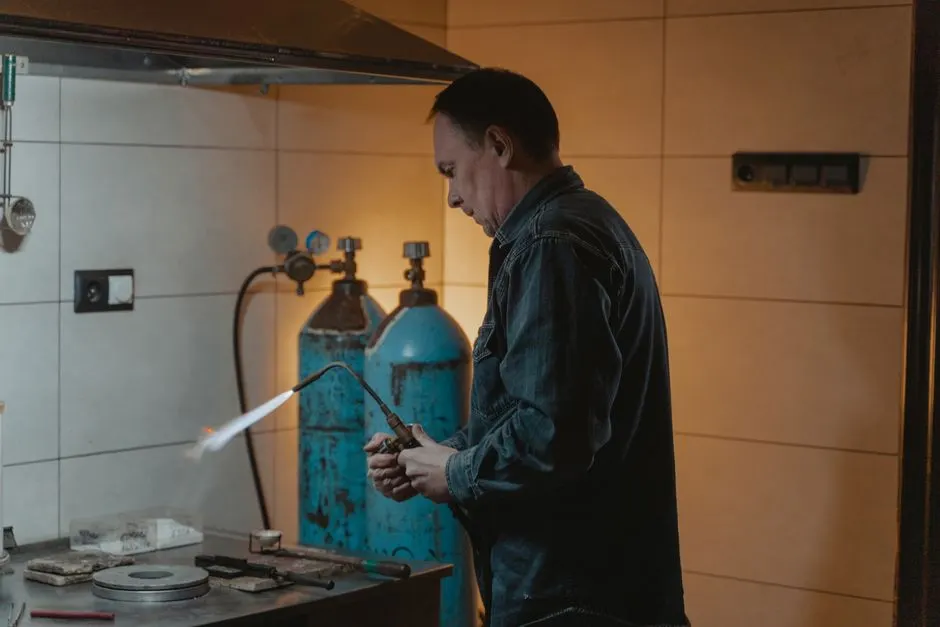
A skilled technician works with a welding torch in an industrial setting, highlighting craftsmanship.
Licensed Licensed & Bonded
Fully Insured Insured & Bonded
24/7 Emergency Same-Day Response
Warranty Backed Workmanship Guaranteed

What our Gas Furnace Repair includes

Every repair call includes a full diagnostic, the actual repair, a post-repair combustion test, and a walkthrough. Here is what is covered and what counts as a separate service.

Full diagnostic and safety check

We test the ignition sequence, gas pressure, flame signal, and heat exchanger before we quote anything. That diagnostic covers the whole system, not just the part that failed, so we catch related problems before they strand you again.
Repair with stocked parts

Igniters, flame sensors, thermocouples, limit switches, and universal control boards are on the truck. Brand-specific parts like inducer motors or gas valves may need a same-week order, and we tell you the lead time upfront.

Combustion test after repair

After the fix, we run the furnace through a full cycle and take combustion readings with an analyzer. This confirms the unit is burning clean, not producing excess carbon monoxide, and running within manufacturer spec.

Filter check and thermostat reset

We inspect your air filter and replace it if it is clogged, then reset your thermostat and confirm the schedule is correct. A dirty filter is the most common cause of repeat no-heat calls, so we do not skip this step.

12-month parts and labor warranty

Standard repairs carry a 12-month warranty on both parts and labor. If the same component fails inside that window, we return and fix it at no charge. We also register manufacturer warranties on new parts for longer coverage.

What Gas Furnace Repair in Pennsylvania actually involves


Gas Furnace Repair in Pennsylvania is the diagnostic and repair work that restores a failed or underperforming gas-fired furnace to safe, code-compliant operation. A proper call starts with a combustion analyzer reading and a manifold gauge set check on gas pressure, then moves through the ignition sequence: igniter, flame sensor, gas valve, and control board. We test the inducer motor, verify the limit switches, and inspect the heat exchanger for cracks before we ever call the job done.

Pennsylvania furnaces take a beating. Winters swing from 40-degree thaws to single-digit cold snaps, and that cycling stress cracks igniters and fouls flame sensors faster than in milder states. Older homes in Lebanon and York often still run 1990s Bryant and Rheem units that need parts nobody stocks locally. If you search for gas furnace repair near me Pennsylvania and get a voicemail, call us instead. We stock common igniters, thermocouples, and blower motors on every truck.

How our repair process works

From the first phone call to the final combustion test, here is exactly what happens when you book Gas Furnace Repair in Pennsylvania with us.

01

Schedule

Call or book online — a real human picks up and confirms a 2-hour arrival window.

02

Diagnose

Licensed tech inspects on-site, then walks you through the cause and your options.

03

Fix

The job is completed to code and done right the first time — no shortcuts, no surprises.

04

Guarantee

Every job backed by a written workmanship warranty — and we stand behind it.

Tools and methods we use

Tools & Equipment

Combustion analyzer

Measures carbon monoxide, oxygen, and flue temperature to verify the furnace is burning clean and within manufacturer spec after every repair.

Manifold gauge set

Checks inlet and manifold gas pressure against the data plate. Wrong pressure causes weak flames, soot, and premature heat exchanger failure.

Multimeter and clamp meter

Tests igniter resistance, flame sensor microamps, control board voltage, and blower motor amp draw to pinpoint electrical faults fast.

Inspection camera

Slides into the heat exchanger to look for cracks, corrosion, and soot that a visual inspection from outside cannot catch.

Leak detector

Sniffs gas lines and fittings for leaks after any repair that touches the gas valve, manifold, or supply line.

Vacuum pump and tube brush

Cleans burners, pilot assemblies, and condensate traps so airflow and ignition stay consistent season after season.

Methods & Standards

ACCA standards

We follow ACCA standards for airflow, combustion, and system performance. That means measuring static pressure and temperature rise, not eyeballing it. A furnace running outside its rated temperature rise will fail early, even if it heats the house today.

Manual J load calculation

When a repair turns into a replacement conversation, we run a Manual J load calculation to size the new furnace correctly. Oversized furnaces short cycle, which wears out igniters and heat exchangers faster than a properly sized unit.

NATE-certified diagnostics

Every tech on our team holds NATE certification, which means they have passed proctored exams on gas heating diagnostics and repair. That training shows up in how fast they find the real problem instead of swapping parts.

EPA Section 608 compliance

Our techs hold EPA Section 608 credentials, required for handling refrigerants in hybrid and heat pump systems. When your furnace is paired with an AC or heat pump, that certification matters for the whole system.

When to call for Gas Furnace Repair

01

Your furnace quits on the coldest night of the year and the house is dropping fast.

What we do: Call our 24/7 emergency line. We dispatch the nearest tech with igniters, flame sensors, and blower motors on the truck. Most no-heat emergencies are diagnosed and repaired the same night.

→ Heat restored in hours, not days. You sleep in a warm house instead of a hotel.

02

Your furnace runs but the house never reaches the thermostat setting, and the gas bill keeps climbing.

What we do: We run a full diagnostic including combustion analysis and airflow check. A clogged filter, dirty blower wheel, or failing inducer motor is usually the cause. We clean or replace what is needed and verify the fix.

→ The house hits setpoint again, and your next gas bill drops because the furnace is no longer running constantly.

03

You smell gas near the furnace or hear a clicking sound with no ignition.

What we do: Leave the house and call your gas utility first. Once the gas is shut off and the home is safe, call us. We find the leak with a leak detector, repair the failed component, and pressure-test the line before restarting.

→ A safe, code-compliant furnace with no gas smell and a documented leak test on file.

04

Your carbon monoxide detector goes off while the furnace is running.

What we do: Get everyone outside and call 911 or your gas utility. Once cleared, we inspect the heat exchanger with a camera and run combustion analysis. If the exchanger is cracked, we shut the unit down and quote replacement.

→ You know exactly what caused the alarm and have a safe path forward, whether that is a repair or a new furnace.

How Gas Furnace Repair runs in Pennsylvania

Pennsylvania winters are not uniform. Philadelphia and the southeast see milder, wetter cold with freeze-thaw cycles that stress igniters and condensate lines. The central and western parts of the state get harder, longer cold snaps that push furnaces to run near-continuous for weeks. That difference changes what fails and when. In older rowhouse neighborhoods, furnaces are often tucked in basements with limited combustion air, which means we check draft and venting on nearly every call. In rural areas, propane and natural gas furnaces sit in unheated crawl spaces where condensate traps freeze and crack. We size our parts inventory around those patterns, so a gas furnace not igniting repair Pennsylvania call in Erie gets the same fast turnaround as one in Philadelphia. If you need certified gas furnace repair in Pennsylvania, we bring the tools and the local knowledge to fix it right.

Neighborhoods We Serve

  • Center City Philadelphia

    Rowhouse basements with tight combustion air. We check draft hoods and venting on nearly every call here, since poor draft is a common cause of pilot and ignition problems.

  • Lancaster County farmland

    Older farmhouses often run propane or oil-converted gas furnaces with non-standard venting. We carry adapters and universal parts to handle these setups without a second trip.

  • Pittsburgh hillsides

    Homes built into slopes often have furnaces in walkout basements with high humidity. That humidity corrodes control boards and flame sensors faster than in drier parts of the state.

  • Lehigh Valley new construction

    Newer high-efficiency furnaces with PVC flues need condensate management. We see frozen or clogged condensate traps here every January, and we clear and re-route them on the spot.

Local Conditions We Plan For

  • Freeze-thaw cycles in southeast Pennsylvania

    Rapid temperature swings crack igniters and stress heat exchangers. We see a spike in no-heat calls after every thaw, and we stock igniters accordingly.

  • Extended cold snaps in central and western PA

    Furnaces run near-continuous for weeks, which wears out blower motors and inducer motors. We recommend a mid-winter filter change and a combustion check to catch failures early.

  • Older housing stock with original ductwork

    Undersized or leaky ducts cause high static pressure, which overheats the furnace and trips limit switches. We measure static pressure and flag duct issues before they cause a repeat failure.

  • Rural propane and natural gas setups

    Unheated crawl spaces freeze condensate lines and crack traps. We insulate and re-route where possible, and we check these lines on every rural service call.

Cold air from a 20-year-old Carrier

Before

A homeowner in Downingtown had a 20-year-old Carrier furnace blowing cold air. Two other companies quoted full replacement at $6,500. The house was 58 degrees and dropping.

After

We found a cracked flame sensor and a filter clogged to the point of blocking 80% of airflow. Total repair: $280. The furnace ran through a full cycle and held 70 degrees within two hours.

Maintenance: Change the filter every 60 days during heating season and book a fall tune-up. That combination prevents the airflow restriction that caused the original failure.

Before

A family in Lebanon called at 9 p.m. on a January night with no heat and a newborn in the house. The furnace was trying to ignite and locking out after three attempts.

After

Our on-call tech arrived by 11 p.m., diagnosed a failed igniter, and swapped it in 20 minutes. The house was back to 68 degrees before midnight. Total cost: $340 including the after-hours dispatch.

Maintenance: We registered the igniter warranty and scheduled a spring check. Annual maintenance catches weak igniters before they fail on the coldest night of the year.

Before

A Malvern homeowner had a high-efficiency Trane furnace locking out every few hours. The error code pointed to a pressure switch fault, but the switch tested fine.

After

The real problem was a clogged condensate trap backing water into the pressure switch line. We cleared the trap, re-routed the drain, and the lockouts stopped. Repair cost: $220.

Maintenance: Flush the condensate trap every fall and check the drain line for algae growth. High-efficiency furnaces produce a gallon of condensate per hour in cold weather, so a clear drain is critical.

Common furnace problems we fix across Pennsylvania

Most no-heat calls trace back to one of a handful of failures. Here are the ones we see most, what happens if you ignore them, and how we fix them.

Problem

Furnace not heating or blowing cold air

A furnace blowing cold air in January means frozen pipes, burst supply lines, and a house that drops below 50 degrees within hours. The longer it runs cold, the more stress it puts on the blower and control board.

Our Fix

We diagnose the ignition sequence first, since a failed igniter or dirty flame sensor is the usual culprit. If the burners light but the blower pushes cold air, we check the limit switch and blower motor. Most fixes take under two hours.

Problem

Pilot light will not stay lit

A pilot that keeps going out points to a failed thermocouple, a dirty pilot orifice, or a draft issue. Left alone, it means no heat and a slow gas smell risk if the pilot is not fully extinguished.

Our Fix

We replace the thermocouple, clean the pilot assembly, and check for drafts pulling the flame off the sensor. If the unit is old enough that parts are scarce, we walk you through repair versus replacement with real numbers.

Problem

Ignition failure or repeated lockout

A furnace that tries to light three times and locks out is telling you something in the ignition chain is failing. Each lockout cycle stresses the control board, and repeated failures can burn out the board entirely.

Our Fix

We test the igniter resistance, flame sensor microamps, and gas valve operation with a multimeter and manifold gauge set. Most lockouts trace to a dirty flame sensor or a weak igniter, both of which we stock and replace on the spot.

Problem

Cracked heat exchanger

A cracked heat exchanger can leak carbon monoxide into your living space. It is the one furnace problem you cannot ignore. Symptoms include headaches, a yellow burner flame, and soot around the unit.

Our Fix

We inspect the exchanger with an inspection camera on every diagnostic. If we find a crack, we shut the unit down and give you replacement options. Repair is not safe on a cracked exchanger, and we will tell you that straight.

Why homeowners call us first

Why homeowners call us first

A failed furnace is not a wait-until-Monday problem. Here is what you get when you book Gas Furnace Repair in Pennsylvania with our team.

  • Same-day heat restored

    Most no-heat calls get diagnosed and repaired the same day. Our techs carry igniters, flame sensors, thermocouples, and universal control boards on the truck, so a furnace blowing cold air at 7 a.m. is often blowing hot by early afternoon.

  • Certified, code-correct work

    Every repair follows ACCA standards and Pennsylvania HVAC license requirements. We pull combustion readings before and after, verify gas pressure with a manifold gauge set, and leave you with documentation that satisfies a home inspector or insurance adjuster.

  • All major brands serviced

    Carrier, Trane, Lennox, Goodman, Rheem, York, Bryant, American Standard, Amana, Coleman. We stock OEM and universal parts for all of them. No waiting three days for a dealer-only igniter while your family bundles up in coats.

  • Upfront pricing, no surprises

    You get the diagnostic fee and the repair range before we start. Typical 2026 gas furnace repair cost in Pennsylvania runs $180 to $850 depending on the failed part. We tell you the number, you decide, and we do not upsell a replacement you do not need.

What Gas Furnace Repair costs in Pennsylvania

Typical 2026 pricing for gas furnace repair in Pennsylvania runs $180 to $850, including the diagnostic fee. The low end covers a flame sensor cleaning or igniter swap. The high end covers a blower motor, inducer motor, or gas valve replacement. Emergency after-hours calls add a dispatch premium. We quote the full price before we start, so you are never surprised by the invoice. If the repair cost approaches half the price of a new furnace, we tell you and give you both numbers.

Typical Investment Range

$180 - $850 depending on the failed component and time of call

A $300 repair on a furnace with five years of life left beats a $6,000 replacement every time. We give you the honest math on repair versus replace, and we never push a new system when a repair will do the job safely.

What changes the price

01

Failed component

An igniter costs $180 to $300 installed. A blower motor runs $500 to $850. A gas valve sits in the middle. The part itself drives most of the price, and we stock the common ones to avoid a second trip.

02

Furnace age and brand

Parts for older Bryant, Rheem, and Lennox units can be scarce, which adds cost. Newer high-efficiency systems use proprietary boards and motors that cost more than universal replacements.

03

Time of call

Standard business hours get standard pricing. Nights, weekends, and holidays add an after-hours dispatch fee. We tell you the premium before we roll a truck, so you can decide whether to wait until morning.

04

Access and location

A furnace in a finished basement or a tight closet takes longer to service than one in an open utility room. Crawl space units in rural areas add labor time. We factor access into the quote upfront.

05

Related repairs found during diagnostic

A failed igniter often comes with a dirty flame sensor or a clogged filter. We quote those as separate line items so you can see exactly what each repair costs and decide what to approve.

Licensed, certified, and warrantied

Licensed & Certified

  • NATE Certification — issued by North American Technician Excellence
  • EPA Section 608 — issued by U.S. Environmental Protection Agency
  • Pennsylvania HVAC License — issued by Pennsylvania Office of Attorney General
  • OSHA Safety Compliance — issued by Occupational Safety and Health Administration
  • ACCA Standards — issued by Air Conditioning Contractors of America

Verified Reviews

Google ★★★★★4.9

Called at 6 a.m. with no heat. Tech was here by 8. Found a failed igniter, had one on the truck, and we had heat by 9:30. Price was exactly what they quoted. Could not ask for more.

Yelp ★★★★★4.8

These guys diagnosed a cracked heat exchanger that two other companies missed. They shut the unit down, explained the safety risk, and gave us replacement options without any pressure. Professional from start to finish.

BBB ★★★★★4.9

Used them for a furnace repair in Red Lion. Tech was on time, wore boot covers, and cleaned up after himself. The repair has held for two winters. Will use again for maintenance.

Google ★★★★★4.9

Our high-efficiency Trane was locking out constantly. They found a clogged condensate trap that was backing water into the pressure switch. Fixed it in an hour for $220. Honest diagnosis, fair price.

Cities we serve for Gas Furnace Repair in Pennsylvania

Our techs cover the entire state, from the Philadelphia suburbs to the small towns along the Susquehanna and beyond. Whether you need gas heating repair Pennsylvania homeowners trust or a fast emergency call, we have a truck near you. Here are some of the communities we serve regularly.

Lebanon

Lebanon's mix of older rowhouses and suburban homes means we see everything from 1980s Rheem units to new high-efficiency systems. Same-day no-heat calls are standard here.

New Castle

New Castle winters hit hard, and furnaces here run long cycles that wear out blower motors. We stock the common parts and handle most repairs on the first visit.

Ephrata

Ephrata's older housing stock often has furnaces in tight basements with limited airflow. We check draft and venting on every call to catch combustion issues early.

Cornwall

Cornwall homes range from historic to new construction. We service both, with the tools to handle cast-iron venting and modern PVC flues on the same truck.

Millersville

Millersville's mix of student rentals and family homes means a lot of furnaces run hard with clogged filters. We fix the failure and show you how to prevent the next one.

Southeastern

Southeastern sits in the freeze-thaw zone, where igniters crack after every thaw. We keep igniters and flame sensors stocked for fast turnaround here.

Red Lion

Red Lion homeowners call us for everything from igniter swaps to full diagnostics. Our techs know the local housing stock and carry the parts that fail most.

Downingtown

Downingtown's newer builds often have high-efficiency furnaces with condensate management needs. We clear frozen traps and re-route drains every winter.

Blue Ball

Blue Ball's rural properties often run propane or natural gas in unheated spaces. We insulate condensate lines and check for freeze damage on every call.

Prospect Park

Prospect Park's older homes have original ductwork that can cause high static pressure. We measure it and flag duct issues before they cause a repeat failure.

Intercourse

Intercourse farmhouses often have non-standard venting from oil conversions. We carry adapters and universal parts to handle these setups without a second trip.

Morrisville

Morrisville's proximity to the river means higher humidity, which corrodes control boards and flame sensors. We check both on every diagnostic.

New Oxford

New Oxford's mix of historic and modern homes means we see every furnace type. Our techs are trained on both and stock parts for the most common failures.

Malvern

Malvern's high-efficiency systems need techs who understand condensate traps and variable-speed blowers. We service all major brands and stock the parts that fail.

Richboro

Richboro's suburban homes often have furnaces paired with heat pumps. Our EPA Section 608 certification means we can service the whole system, not just the furnace.

Frequently Asked Questions

Real answers to the questions we hear most often from local homeowners and property managers.

How much does gas furnace repair cost in Pennsylvania?
Most repairs run $180 to $850 in 2026, including the diagnostic. A flame sensor cleaning or igniter swap sits at the low end. A blower motor, inducer motor, or gas valve replacement pushes toward the top. Emergency after-hours calls add a dispatch premium. We quote the full price before we start, so the number you hear is the number you pay.
Why is my gas furnace not working in Pennsylvania?
The five most common causes we see are a dirty flame sensor, a failed igniter, a clogged air filter, a bad thermostat, and a tripped limit switch. In older Pennsylvania homes, cracked heat exchangers and worn thermocouples also show up often. A proper diagnostic with a multimeter and combustion analyzer identifies the real cause in under an hour.
Can I get emergency gas furnace repair in Pennsylvania?
Yes. We run 24/7 emergency dispatch across the state, including nights, weekends, and holidays. No-heat calls in freezing weather get priority. If you smell gas, leave the house and call your utility first, then call us at (833) 586-3803. We handle the furnace side once the gas is shut off and the home is safe.
Is it safe to repair a gas furnace myself in Pennsylvania?
No. Gas furnace repair involves live gas lines, carbon monoxide risk, and combustion tuning that requires a combustion analyzer to verify. A DIY igniter swap can leave a gas leak. A misadjusted gas valve can produce carbon monoxide. Pennsylvania code requires licensed technicians for gas work, and your homeowner insurance may deny a claim tied to unpermitted repairs.

Get Gas Furnace Repair in Pennsylvania today

No heat is not something to sleep on. Call (833) 586-3803 and we will dispatch a NATE-certified tech with the parts to fix most furnaces on the first visit. Upfront pricing, 12-month warranty, and 24/7 emergency service across Pennsylvania.

Call Now Book a Repair

Contact Furnace Pros Pennsylvania

Call (833) 586-3803 any time, day or night, and a live dispatcher will get a tech headed your way. We run 24/7 emergency service across Pennsylvania and book standard appointments Monday through Friday, 8 a.m. to 6 p.m. Prefer email? Send your address and symptoms to info@furnaceprospennsylvania.com and we will call you back with an ETA.

Furnace Pros Pennsylvania


  • Address

    Pennsylvania

  • Hours

    Mon–Fri: 7AM – 7PM
    Sat: 8AM – 4PM
    Sun: Emergency Only
    24/7 Emergency Available

Call (833) 586-3803 Get Quote
Call Quote